Stuck at a 565 Credit Score? Here’s How to Break Past It

Short Answer: A 565 credit score is considered poor and usually means there are recent late payments, high credit card balances, collections, or errors holding your report back. You can break past a 565 credit score by fixing inaccuracies, lowering credit utilization, avoiding new negatives, and rebuilding positive payment history consistently.
Stuck at a 565 credit score and wondering why nothing seems to change? You pay bills when you can. You try not to use too much credit. You may have even paid off a few accounts. Yet your score barely moves.
A 565 credit score sits deep in the poor range, and that’s where approvals slow down, interest rates spike, and simple things like car loans or apartments become harder than they should be. What makes it frustrating is that many people at this score are doing some things right, just not the ones that make a significant difference.
Note that a 565 credit score isn’t low because you’re irresponsible. It’s usually low because of specific report-level issues that haven’t been fixed yet.
This guide breaks down:
- What a 565 credit score really means
- Why it often feels “stuck”
- And the exact steps that help people move past it faster, without guesswork
If you’re tired of seeing the same number month after month, this is where clarity starts. Keep reading.
What a 565 Credit Score Really Means
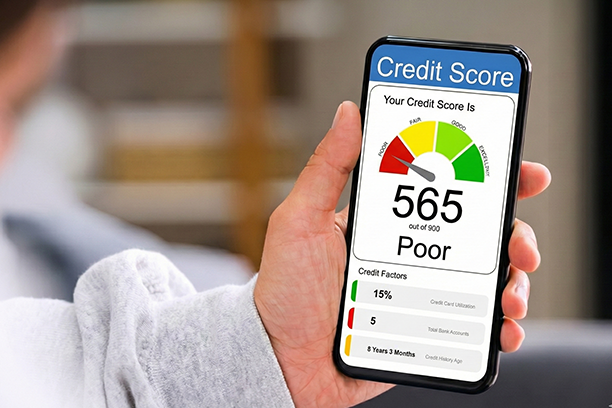
A 565 credit score falls in the poor credit range according to most scoring models. At this level, lenders typically see you as high risk, which can lead to:
- Loan denials
- Very high interest rates
- Limited credit card options
- Security deposits for utilities or rentals
But here’s the part many people miss:
A 565 credit score doesn’t come from one mistake. It’s usually the result of multiple small negatives stacking together.
Common causes include:
- High credit card balances
- Collections that are still reporting
- One or more late payments in the last 12 months
- Errors or outdated information on your credit report
The good news is that these issues are fixable. And you don’t need to jump straight to a 700 score to feel the difference. Moving from a 565 to the low 600s already changes approval odds and loan terms.
The key is knowing what’s actually holding your score back, not guessing.
Read Also: Default Credit Score, The Surprising Truth & Alternative Scores
Why Your 565 Credit Score Feels Stuck

One of the most frustrating aspects of having a 565 credit score is the feeling that nothing you do makes a significant difference.
You pay something down.
You avoid new debt.
You wait.
And the score barely moves.
This happens because credit scores do not respond evenly to all actions. Some changes barely register, while others carry outsized weight. At a 565 level, the score is usually held down by recent, high-impact factors, not old history alone.
The most common reasons a 565 credit score stays stuck include:
- Recent late payments that are still “fresh”
- Credit cards reporting high balances month after month
- Collections or charge-offs that have not been corrected or verified
- Errors or mixed-file information are dragging the profile down
- New inquiries added before old damage was resolved
At lower score ranges, the system is less forgiving. One unresolved issue can outweigh several good habits. That is why people can do “the right things” and still feel frozen.
The solution is not doing more. It is doing the right actions in the right order.
1. You Haven’t Looked Deep Enough Into Your Credit Report
Knowing you have a 565 credit score is not the same as knowing why you have it.
Scores are summaries.
Reports are explanations.
Most people check their score through an app and stop there. That’s a mistake. The real progress begins when you review your full credit reports from:
- Experian
- Equifax
- TransUnion
Inside those reports, you often find issues like:
- Old addresses or personal data causing mixed files
- Late payments reported inaccurately
- Accounts that should have aged off
- Duplicate collections
- Incorrect balances
Any one of these can anchor your score in the 500s.
At a 565 credit score, removing or correcting just one high-impact negative can create more movement than months of on-time payments alone.
This is why credit repair always starts with accuracy. You cannot optimize what you have not identified.
2. Late Payments and High Utilization Are Doing the Most Damage
These two factors carry disproportionate weight when your score is already low:
Payment History
Payment history makes up roughly 35% of your credit score.
A single 30-day late payment can drop a score by 50–100 points, and its impact is strongest in the first 12 months. If your 565 credit score includes late payments from the past year, they are still actively suppressing your score.
Credit Utilization
Utilization makes up about 30% of your score.
Even if you pay on time, maxed-out or near-maxed cards signal financial stress. Many people with a 565 credit score are using more than 50–70% of their available credit, sometimes without realizing it.
Lowering utilization below:
- 30% helps
- 10–15% helps even more
This is one of the fastest ways to create upward movement once errors are addressed.
Learn More: Managing Credit Utilization: 5 Smartest Ways to Boost Your Score
3. Hard Inquiries Add Pressure at the Wrong Time
When your credit is already fragile, timing matters. Multiple hard inquiries in a short period can:
- Lower your score further
- Make lenders hesitant
- Delay recovery
At a 565 credit score, each new inquiry has more impact than it would at a higher score. Applying for new cards or loans before fixing existing damage often backfires.
This is why recovery phases should be quiet.
No new applications.
No unnecessary pulls.
Stability is part of repair.
4. Old Collections and Charge-Offs Are Still Holding Weight
Many people assume older debts “don’t matter anymore.” That’s not true.
Collections and charge-offs can remain on your credit report for up to seven years, and while their impact fades over time, they still suppress scores in the 500s more aggressively than they do at higher levels.
Some collections:
- Are inaccurately reported
- Are missing required verification
- Should be updated or removed
Others may be valid but still manageable through strategic correction or settlement.
Ignoring them is one of the biggest reasons a 565 credit score stays where it is.
See Also: 6 Best Steps to Remove Paid Collections From Credit Report
5. You’re Not Tracking Cause and Effect
Credit improvement is not instant, but it is measurable.
If you don’t track:
- What you disputed
- What balances changed
- What updates posted
It feels like nothing is happening, even when progress is underway. People who successfully move past a 565 credit score usually:
- Monitor reports monthly
- Track actions taken
- Adjust based on what actually moves the score
This is where structured systems outperform guesswork. Visibility creates momentum.
Where a 565 credit score Leaves You

A 565 credit score is not a dead end. It is a signal.
It tells you:
- What needs correction
- What needs reduction
- What needs time
Once those pieces are addressed in the right order, movement follows.
How Long Does It Take to Move Past a 565 Credit Score?
One of the most common questions people ask is how fast a 565 credit score can improve.
The honest answer: it depends on what’s holding it down. Here’s what realistic timelines look like when the right steps are taken:
- 30–45 days
You may see early movement if errors are removed or balances are reduced below key thresholds. - 60–90 days
Most people notice clearer improvement once utilization drops and dispute results post. - 3–6 months
This is when a 565 credit score often moves into the low-to-mid 600s if no new negatives appear. - 6–12 months
With consistent rebuilding, many people reach “fair” or better territory and qualify for improved loan terms.
What slows progress the most is not time. It’s repeating actions that don’t affect the score meaningfully.
What a 565 Credit Score Means for Real-Life Approvals
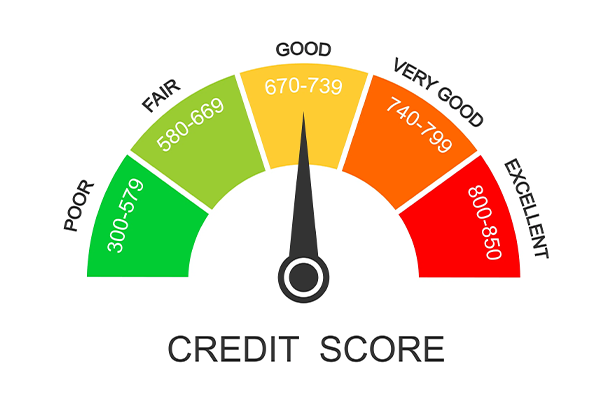
A 565 credit score sits firmly in the “poor credit” range in the FICO Credit score range. That affects more than just interest rates.
At this level, you may experience:
- Auto loan approvals with very high APRs
- Security deposits required for apartments
- Denials for unsecured credit cards
- Limited refinancing options
- Higher insurance premiums in some states
That said, moving even 40–60 points can change outcomes significantly.
For example:
- A jump from 565 to 620 can unlock more auto lenders
- Crossing 640 often improves rental and utility approvals
- Hitting the high 600s opens the door to mainstream credit again
This is why the goal isn’t perfection. It’s getting out of the danger zone first.
The Fastest Actions That Actually Help a 565 Credit Score
Not all credit actions carry equal weight. At a 565 credit score, these steps tend to matter most:
1. Correcting inaccurate negative items
Errors and unverifiable accounts carry heavy penalties at low scores.
2. Lowering revolving balances below 30%
This alone can trigger noticeable changes.
3. Avoiding new inquiries
Stability signals recovery to scoring models.
4. Keeping every account current
No exceptions. One new late payment can erase months of progress.
5. Letting positive data age
Time + consistency works when the damage stops.
Random tactics slow things down. Focused actions speed things up.
Can a 565 Credit Score Become “Good” Without Professional Help?
Yes. But it usually takes longer. Many people improve a 565 credit score on their own by:
- Studying reports carefully
- Disputing errors correctly
- Managing utilization manually
- Tracking updates month by month
The challenge is consistency and clarity. Most people don’t know:
- Which items matter most
- What order to fix things in
- When to wait versus act
This is why structured tools and systems like Credit Veto exist. They don’t create shortcuts. They reduce confusion.
How Credit Veto Supports Faster Credit Score Recovery
Credit Veto is designed for people who feel stuck at scores like 565 and don’t know what’s actually holding them back.
It helps by:
- Identifying high-impact negative items
- Organizing disputes across all bureaus
- Tracking changes so progress is visible
- Supporting rebuilding alongside repair
Instead of guessing, you work from a clear picture of what’s affecting your score and what to address next.
That clarity is often the difference between staying stuck and moving forward.
Final Thoughts: A 565 Credit Score Is a Starting Point, Not a Label
If you’re sitting at a 565 credit score, the most important thing to know is this:
You’re not broken.
Your credit profile just needs correction and structure.
Scores change when:
- Errors are removed
- Balances are controlled
- Time is allowed to work
Whether your goal is a car, housing, lower interest rates, or peace of mind, progress starts with understanding what’s actually holding your score down.
If you want a guided way to clean up your credit and rebuild it properly, Credit Veto can help you move past 565 and into a stronger financial position, step by step. Sign up today to get started and say hello to your excellent credit in the shortest time possible.
Frequently Asked Questions (FAQs)
Is a 565 credit score bad?
Yes. A 565 credit score is considered poor and can limit approvals and increase borrowing costs.
Can I get approved for a loan with a 565 credit score?
Sometimes, but usually with high interest rates, stricter terms, or added requirements.
How fast can a 565 credit score improve?
Some people see movement in 30–60 days, with greater improvements in 3–6 months when key issues are fixed but with automated systems like Credit Veto, you can get it faster and easier.
What helps a 565 credit score the most?
Removing errors, lowering utilization, avoiding new negatives, and staying consistent.
 How Long Do Late Payments Stay on Your Credit Report? 2026 Update
  How Many Credit Cards Should I Have? Avoid These 4 Mistakes
  How to Check Personal Credit Report: 7 Easy Steps
  How a Credit Repair Course Can Improve Your Credit Score and Business Faster
  How Fast Will a Car Loan Raise My Credit Score? 2026 Real Timeline