Does Paying Rent Late Affect Your Credit? What You Must Know in 2026

Short Answer: Yes, paying rent late can affect your credit, but only if the late payment is reported to the credit bureaus or sent to collections. Rent is not automatically included in your credit score, but missed payments can hurt your credit if they become reported debts, errors, or collections.
Rent payments are a significant part of many people’s financial lives, and it’s essential to understand how they can affect your credit score.
If you’ve ever wondered, “Does paying rent late affect your credit?” you’re not the only one. Even in 2026, a lot of Americans and immigrants are still confused about this question. And the truth is, the answer isn’t as straightforward as you might think.
In this article, we’ll discuss how paying rent late can impact your credit, the differences in how credit bureaus view rent payments, and what steps you can take to avoid or mitigate the negative effects. Let’s go all in, shall we?
What Actually Happens When Rent is Paid Late?

When you make a late payment on your rent, it’s not immediately reported to credit bureaus unless your landlord or property management company reports it.
Most landlords don’t report to the major credit bureaus, so a late payment may not directly affect your score. However, if your landlord reports your rent to the credit bureaus, late payments could have an impact.
If your landlord doesn’t report to the credit bureaus, your late rent won’t show up on your credit report. However, that doesn’t mean you’re free from consequences. Late payments can lead to collection actions, and once a collection account is reported, it will negatively affect your credit score.
Read Also: Default Credit Score, The Surprising Truth & Alternative Scores
Does Rent Affect Your Credit?
The short answer is: it depends. Typically, rent payments don’t show up on your credit report, meaning they won’t affect your score unless certain conditions are met. Here’s a closer look at how rent affects your credit under different models:
FICO 8: Rent payments generally aren’t factored into your score under this model because they are typically not reported to the three credit bureaus. This means that even if you pay late or miss a payment, it won’t show up on your credit report unless the landlord specifically reports it.
FICO 9: This newer model includes rent payments, but only if your landlord or property manager reports them to the credit bureaus. If rent payments are reported and you miss a payment or default on your rent, it can directly hurt your credit score.
So, while paying rent late may not immediately affect your credit, it’s important to know that if your rent is reported or if it ends up in collections, it can have a significant negative impact on your credit score. Keeping up with your rent payments and ensuring they are reported (if applicable) can be crucial in maintaining a good credit score.
How Long Does It Take for Late Rent to Appear on Your Credit Report?
Typically, landlords don’t report your rent to credit bureaus unless they’re doing so through a third-party service or you’ve agreed to it. If your rent payment is reported as late and goes into collections, this could appear on your credit report in 30-60 days depending on the landlord’s reporting methods.
Once reported, late payments may remain on your credit report for up to seven years, even if you eventually pay them off.
Can Paying Rent on Time Help Build Your Credit
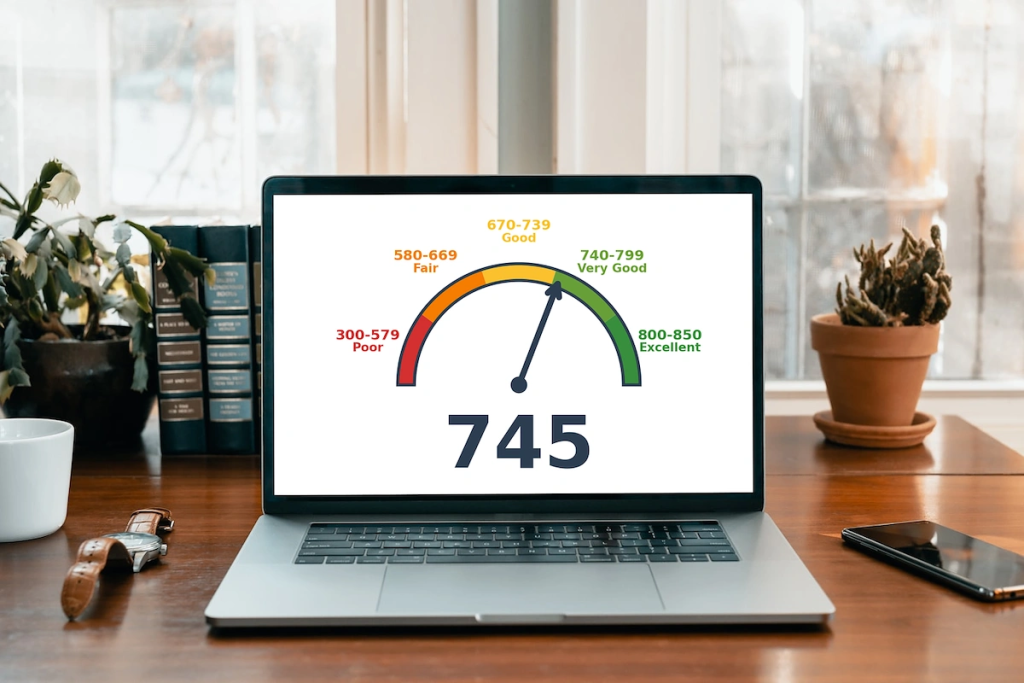
Yes, paying rent on time can help build your credit, but only when those payments are reported. On their own, rent payments do not automatically appear on your credit report. However, reporting tools can change that.
Services like Experian Boost, LevelCredit, and Rental Kharma allow renters to add positive rent payment history to their credit file. When reported, these on-time payments can strengthen your payment history, which is the most important factor in your credit score.
This can be especially useful if you have a thin credit file or are rebuilding credit. Consistent, on-time rent payments can add positive data and help offset past negatives. On the flip side, once rent is being reported, late payments can hurt you too, which brings us back to the key question: does paying rent late affect your credit? The answer becomes yes when reporting is involved.
The takeaway is simple. On-time rent can help your credit, but only if it’s reported. And once it is, staying current matters just as much as it does with any other bill.
How to Ensure Rent is Reported Correctly

If you want your rent payments to help your credit, accuracy matters just as much as reporting. Once rent is reported, any mistake or late entry can affect your score, which is why monitoring is essential.
Here’s how to protect yourself:
- Confirm reporting at the source
Ask your landlord or property management company whether they report rent payments and to which credit bureaus. Also confirm how late payments are handled and when they are reported. - Use third-party rent reporting services carefully
Services like LevelCredit, Rental Kharma, or RentTrack can report your rent if your landlord doesn’t. Before enrolling, make sure your payment history is accurate and up to date, since reported errors can hurt your credit.
This is where CreditVeto plays an important role. CreditVeto helps you monitor your credit report so you can quickly spot incorrect rent reporting, late entries that shouldn’t be there, or accounts that move to collections unfairly. If rent is reported inaccurately,
CreditVeto guides you through disputing those errors and correcting your report before they cause long-term damage.
Rent can help your credit, but only when it’s reported correctly. Using CreditVeto alongside rent reporting services gives you visibility and control, so your rent payments work for your credit, not against it.
When Can Late Rent Hurt Your Credit?
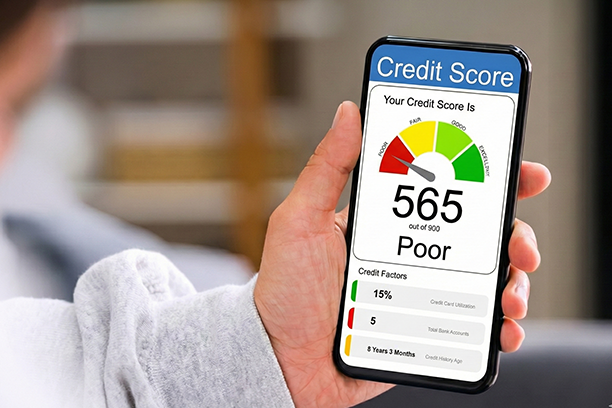
If your rent payments are consistently late and your landlord reports it, or if you let a late payment slip into collections, this will damage your credit. A repossession or collection on your credit report from late rent can:
- Lower your credit score
- Make it harder to qualify for loans, credit cards, or even housing
- Prevent you from accessing better financing options
A 30-day late payment could cause your score to drop by 50-100 points. If the late payments persist or are reported to collections, the impact can last for years.
Learn More: 6 Best Steps to Remove Paid Collections From Credit Report
How to Protect Your Credit From Late Rent
Late rent becomes a credit problem when it turns into reporting errors, collections, or missed records. The goal is to prevent that chain reaction before it starts.
Here are practical ways to protect your credit:
1. Set up automatic payments
Automating rent payments reduces the risk of forgetting a due date. Even one missed payment can lead to fees or reporting issues if rent is tracked.
2. Create payment reminders
If autopay is not an option, set calendar alerts or phone reminders several days before rent is due. This gives you time to fix issues like insufficient funds.
3. Communicate early with your landlord
If you expect a delay, notify your landlord or property manager ahead of time. Many late payments only escalate when there is no communication.
4. Use rent reporting services carefully
Rent reporting can help build credit, but only if payments are made on time. Before enrolling, make sure your payment schedule is stable and accurate.
5. Monitor your credit report regularly
This is where CreditVeto helps. CreditVeto allows you to monitor your credit report so you can quickly spot rent-related collections, incorrect late entries, or reporting mistakes. If an error appears, you can dispute it early before it causes lasting damage.
Protecting your credit from late rent is about consistency, communication, and visibility. When you know what’s being reported and act quickly, you stay in control of your credit profile.
Conclusion
So, does paying rent late affect your credit? The answer is yes, but only under certain circumstances. Late payments won’t automatically show up on your credit report unless they’re reported. However, if your rent goes into collections or your landlord reports your payments, it can have a serious impact on your credit score.
To protect your credit, focus on timely payments, use rent reporting services, and stay on top of any issues with your landlord. Taking these steps will help you maintain a good credit score and avoid unnecessary financial stress.
Want to take control of your credit today? Start by checking your credit report for any inaccuracies and get your rent payments reported to boost your credit. Sign up for CreditVeto to track and improve your credit the smart way.
Frequently Asked Questions (FAQs)
Does paying rent late affect your credit score?
Yes, but only if your landlord reports your late payments to the credit bureaus or if it goes into collections.
Can I get credit for my rent payments?
Yes, you can use rent reporting services like LevelCredit or Rental Kharma to have your on-time rent payments reported to the credit bureaus and improve your credit score.
And Credit Veto for thorough credit monitoring
How long will a late rent payment stay on my credit report?
Late rent payments can stay on your credit report for up to seven years if they are reported to the credit bureaus or sent to collections.
About The Author

 How to Remove Inaccurate Items from Your Credit Report Quickly
  Best Credit Repair Companies That Are Worth Trusting
  How to Dispute Credit Report Errors and Win in 2026
  Why Did My Credit Score Drop After Paying Off Debt? Proven Fixes
  How to Fix a Low Credit Score Fast: What Works in 2026
  How to Remove Closed Accounts from Credit Report Fast
  The Smartest AI Credit Repair Tool to Fix Your Credit Fast