Don’t Panic: Fix Your Mixed Credit File in 7 Simple Steps
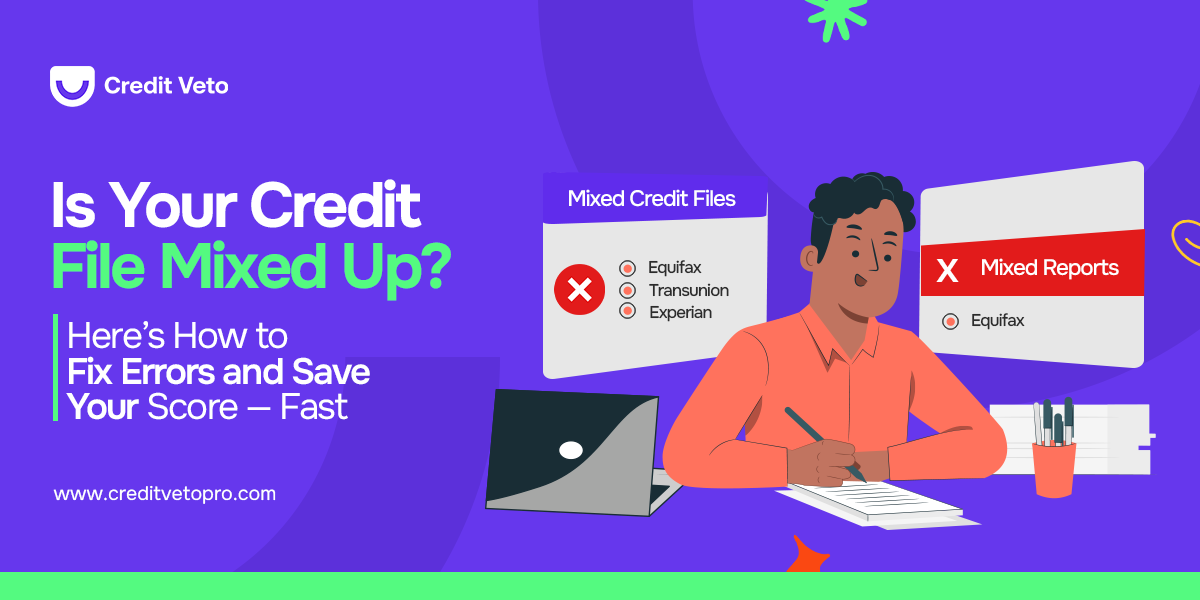
Short answer : A mixed credit file happens when a credit bureau puts someone else’s information on your report by mistake. You can fix it by:
1) getting your free reports from all three bureaus,
2) listing the wrong items,
3) telling the bureaus it is a mixed file,
4) sending proof that shows who you are and who you are not,
5) asking them to separate the file,
6) following up within 30–45 days, and
7) escalating to the CFPB if it is not corrected. Free weekly reports are available at AnnualCreditReport.com.
A mixed credit file is one of the most frustrating and damaging errors on a consumer’s credit report.
This occurs when credit bureaus incorrectly merge your credit history with someone else’s, leading to inaccurate information affecting your default credit score.
If left uncorrected, a mixed credit file can result in denied loans, higher interest rates, and financial stress.
According to a study conducted by the Federal Trade Commission (FTC), one in five credit reports contains errors, with mixed credit files being one of the most complex to resolve.
Given how much lenders rely on credit scores to determine eligibility for loans, mortgages, and credit cards, fixing these errors is crucial.
In this guide, we’ll explain how mixed credit files happen, how they can hurt your credit score, and most importantly, how to correct them and restore your financial reputation. Is a mixed credit file ruining your credit score? Continue reading to identify the issue and take immediate action to restore your credit in just 7 simple steps.
What Is a Mixed Credit File?
A mixed credit file (also called a mixed file credit report or combined credit report) is when a bureau merges data from two people with similar info, like a name, address, or part of a Social Security number.
This can drop your score, cause denials, or raise interest costs. The fix is to get the wrong person’s data off your report and ask the bureau to separate your file.
How Does a Mixed Credit File Happen?
Credit bureaus handle massive amounts of data and rely on algorithms to match credit profiles. Unfortunately, these systems aren’t perfect and can misattribute credit data to the wrong individual due to similarities in identifying details. These mistakes often go unnoticed until a consumer experiences unexpected credit issues.
When a mixed file occurs, you may see:
- Accounts You Never Opened: Credit cards, loans, or mortgages that don’t belong to you.
- Unfamiliar Late Payments or Defaults: Another person’s missed payments could reflect negatively on your report.
- Unexpected Drops in Your Credit Score: If the other person has poor credit habits, your score can take a significant hit.
- Addresses or names you do not recognize
- Hard inquiries from lenders you never contacted
- Collections that are not yours, such as those of Wakefield and Associates.
Common Causes of Mixed Credit Files
Before learning to fix your mixed credit files, you must first understand
1. Similar Names
If you share a name with someone else, especially a common name like John Smith or Maria Garcia, there’s a higher chance that the credit bureaus might merge your credit history with theirs. This issue is particularly common when two individuals with similar names live in the same city or state.
2. Shared Addresses
Living at the same address as another individual with a similar name can increase the risk of a mixed credit file. This often happens in multi-generational households, rental properties, or dormitories. If a previous tenant or relative shares a name similar to yours, their credit information might mistakenly end up in your file.
3. Clerical or Reporting Errors
Mistakes made by creditors, lenders, or credit bureaus can result in incorrect information being reported. A single typo in a Social Security number or date of birth can cause two individuals’ records to become entangled. If a lender misreports account information, the credit bureaus might incorrectly assign the data to your profile.
4. Identical or Similar Social Security Numbers
While Social Security numbers (SSNs) are unique, similar numbers, perhaps differing by just one or two digits, can sometimes lead to incorrect credit file merges. This type of mix-up is more common among individuals with sequentially assigned SSNs, such as family members or people born around the same time.
5. Junior/Senior Name Confusion
If you are a Jr. or Sr. with the same name as a parent or child, there is a greater risk of credit file merging. Since credit bureaus rely on name-matching as part of their data organization, a lack of proper differentiation between a father and son, for example, can cause serious credit issues
The 7-Step Plan to Fix a Mixed File
Here are seven pivotal ways to fix your mixed credit files and ultimately restore your credit.
1) Get all three reports for free
Pull Equifax, Experian, and TransUnion reports. Use AnnualCreditReport.com. Free weekly reports are available. Save PDFs.
2) Mark what is not yours
Highlight wrong names, addresses, accounts, and inquiries. Note page and account numbers.
3) Tell the bureaus it is a “mixed file.”
When you dispute, use the term “mixed file” so they know it is a file-merging problem, not just a small error.
4) Send simple proof
Attach:
- Government ID
- Social Security card or W-2 (last four digits visible)
- Utility bill or bank statement with your correct address
Never send a full SSN or sensitive info if you can avoid it. Mask what you do not need.
5) Ask for a file separation
In your letter, clearly request that the bureau separate your file and remove the other person’s data. Keep copies of everything.
6) Track the 30–45 day clock
Bureaus generally must investigate within 30 days (can extend to 45 days with more info). Set calendar reminders and follow up.
7) Escalate if needed
If the mistake stays, file a complaint with the Consumer Financial Protection Bureau (CFPB) and include your documents. You can also add a short, factual consumer statement to your report while it is being fixed.
The Consequences of a Mixed Credit File
A mixed credit file isn’t just a minor inconvenience; it can have serious financial repercussions:
- Lower Credit Scores: If the other person’s credit history contains late payments or high debt levels, your score could drop significantly.
- Loan and Credit Denials: Lenders might reject your applications if they see negative credit activity that isn’t yours.
- Higher Interest Rates: If lenders believe you have a riskier credit profile, they may charge you higher interest on loans and credit cards.
- Difficulty Renting or Getting a Job: Many landlords and employers check credit reports. An inaccurate report could affect your housing or employment opportunities.
By recognizing these risks, you can take proactive steps to restore your credit and ensure that your financial reputation remains intact.
How a Mixed Credit File Can Hurt Your Credit Score
A mixed credit file can be devastating to your financial health. Here’s how it can impact your credit score:
1. Credit Score Drops Due to Errors
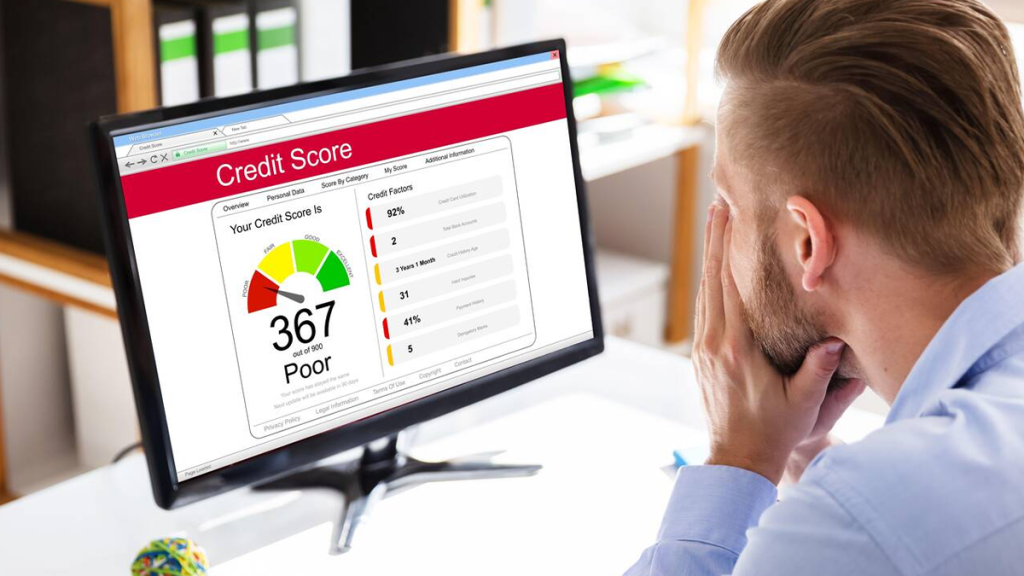
If someone else’s missed payments, charge-offs, or high credit utilization appear on your credit report, your credit score may plummet. According to FICO, 35% of your credit score is based on payment history; meaning even one incorrectly reported late payment can cause serious damage.
2. Difficulty Getting Approved for Loans
Lenders rely on your credit report to approve loans and credit applications. If your file contains negative accounts that aren’t yours, you might be denied credit or be forced to accept higher interest rates.
3. Increased Risk of Identity Theft
A mixed credit file can expose you to fraud. If someone else’s credit information appears on your report, there’s a risk that your personal data is also exposed in their credit history.
4. Issues with Employment and Housing
Many employers and landlords check credit reports. A mixed credit file with erroneous negative information could cost you job opportunities or make it harder to rent an apartment.
How to Identify a Mixed Credit File
If you suspect that your credit report contains someone else’s information, take these steps to confirm:
1. Request Your Credit Reports
Under the Fair Credit Reporting Act (FCRA), you can access a free credit report from each of the three major bureaus (Equifax, Experian, and TransUnion) once a year through AnnualCreditReport.com.
2. Check for These Red Flags:
- Unknown Accounts: Credit cards, loans, or mortgages you never opened.
- Incorrect Personal Information: Wrong name, address, or Social Security number.
- Late Payments That Aren’t Yours: If your payment history is clean but you see late payments, it could be a mix-up.
- Debt Collection Notices: If collection agencies contact you about debts that aren’t yours, your credit file might be mixed.
3. Compare Reports from All Three Bureaus
Since not all creditors report to all three bureaus, an error may appear on one report but not another. Checking reports from Equifax, Experian, and TransUnion helps you identify inconsistencies.
Copy-paste dispute letter you can use to resolve a mixed credit file
Here’s a template you can use.
Subject: Mixed Credit File Dispute and Request to Separate File
To: [Equifax/Experian/TransUnion]
Date: [MM/DD/YYYY]
I am disputing inaccurate information on my credit report due to a mixed credit file. My identifying information is:
Name: [Your Name]
DOB: [MM/DD/YYYY]
SSN: [Last 4 digits]
Current Address: [Address]
The following items do not belong to me:
- Creditor/Account #: [List each item with page number from your report]
I request you:
- Remove all information that does not belong to me, and
- Separate my file from the other consumer’s data.
Enclosed are copies of my ID and proof of address.
Please mail me an updated report after corrections.
Sincerely,
[Your Name]
[Phone]
[Email]
[Signature]
Where to Dispute
You can dispute online, by mail, or by phone at each bureau. Use the latest dispute pages on Equifax, Experian, and TransUnion. Keep a copy of what you submit and any confirmation numbers. If you mail, use certified mail and keep the receipt. (Process guidance is also covered in CFPB resources.)
How Long Does it Take to Fix?
Many cases resolve within 30–45 days after you send a clear dispute with proof. Complex cases can take longer and may require a second dispute or a CFPB complaint.
Protect Yourself While it is Being Fixed
- Place a fraud alert if you suspect identity confusion
- Consider a security freeze to block new credit while errors persist
- Keep your documents organized in one folder
- Check all three reports monthly until the fix holds
How We Fix Mixed Credit Files
Here are 4 fundamental ways we can help fix your credit files.
1. Comprehensive Credit Report Analysis
We start by thoroughly analyzing your credit report from all three major credit bureaus—Experian, Equifax, and TransUnion. This step helps us pinpoint incorrect accounts, unfamiliar addresses, and any suspicious activity that suggests your file has been merged with someone else’s.
2. Personalized Dispute Strategy
Once we identify errors, we create a tailored dispute strategy. We work directly with the credit bureaus and creditors to remove or correct any inaccurate information, ensuring that only your financial history appears on your report.
3. Direct Communication with Credit Bureaus
Instead of generic dispute letters, we provide legally backed and evidence-based documentation to compel the credit bureaus to correct their mistakes. Our approach increases the likelihood of faster and more effective resolutions.
4. Ongoing Credit Monitoring & Support
After your credit file is corrected, we don’t just leave you on your own. We offer ongoing credit monitoring services to ensure that errors don’t resurface and that your credit remains accurate moving forward.
Take Control of Your Credit Today
A mixed credit file can put your financial future at risk, but you don’t have to deal with it alone. Credit Veto offers a proven solution to help you remove errors, restore your credit, and take back control of your financial identity.
Sign up today for our flat-rate credit repair packages and get started on your path to a clean, accurate credit report! Your credit is one of your most valuable assets—don’t let reporting errors hold you back.
For Professionals and Agencies (Creditvetopro Angle)
If you are a credit repair specialist who serves clients who hit denials due to mixed files, your best path is a documented, repeatable workflow: quick triage, clear evidence, clean dispute, and tracked follow-ups.
This is where systems beat guesswork. CreditVetoPro helps teams structure credit-repair workflows and add funding readiness once files are clean. It turns one client into two solved problems, handled with consistent steps and clear records.
Frequently Asked Questions (FAQs)
- What is a mixed credit file?
It is when a bureau combines parts of someone else’s data with yours. You may see accounts, addresses, or inquiries that are not yours.
- Is a mixed file the same as identity theft?
No. A mixed file is usually a bureau mistake or data matching error. Identity theft is when someone uses your identity to open credit. The fixes can overlap but are not the same.
- How do I prove a mixed file?
Show ID, proof of address, and list every wrong item. Use the phrase “mixed file” and ask for file separation.
- How fast can I fix a mixed file?
Many disputes are resolved in 30–45 days if your documents are clear.
- Where do I get my reports?
Go to AnnualCreditReport.com for free weekly reports from Equifax, Experian, and TransUnion.
- Who can I contact if it is not fixed?
File a complaint with the Consumer Financial Protection Bureau (CFPB) and include your evidence.
 How Long Do Late Payments Stay on Your Credit Report? 2026 Update
  How to Check Personal Credit Report: 7 Easy Steps
  How Fast Will a Car Loan Raise My Credit Score? 2026 Real Timeline
  How to Read a Business Credit Report: 5 Key Tips for Success
  How to Read a TransUnion Credit Report (Your Complete Guide)
  How Many Credit Cards Should I Have? Avoid These 4 Mistakes