Minimum Credit Score for a USDA Home Loan: Don’t Miss These Requirements!

Short Answer: To qualify for a USDA home loan, the minimum credit score requirement is typically 640. However, some lenders may accept scores as low as 580 with additional documentation. USDA loans are designed to help low-to-moderate-income buyers, and your credit score is just one factor in the approval process.
If you’re considering buying a home in a rural area, USDA loans might be an excellent option. These government-backed loans are designed to help individuals and families in rural and suburban areas achieve homeownership with little to no down payment.
One of the most common questions prospective homebuyers have is about credit score requirements. While the USDA sets certain guidelines for eligibility, each lender may have different criteria.
In this guide, we’ll go deep into the minimum credit score for a USDA home loan, how your credit impacts the loan approval, and what steps you can take to improve your chances of approval.
What is a USDA Home Loan?
A USDA home loan, also known as a Rural Development loan, is a type of government-backed mortgage offered by the U.S. Department of Agriculture (USDA). These loans were designed with a specific goal in mind: to make homeownership more accessible for low-to-moderate-income individuals and families who wish to buy homes in rural or suburban areas.
One of the standout features of USDA home loans is that they allow you to finance 100% of the home’s purchase price. This means you don’t need to worry about a down payment, which can be one of the biggest obstacles to buying a home for many people. Essentially, the USDA is helping to lower the barrier to homeownership, especially for those who may struggle with saving up a large down payment.
In addition to no down payment, USDA loans often come with more favorable interest rates than conventional loans, which can help reduce monthly payments. However, it’s important to note that these loans are only available to eligible borrowers who meet certain income and location requirements. Specifically, they are intended for people who want to purchase a home in a USDA-designated rural area.
Overall, USDA home loans provide a great opportunity for qualifying buyers who may not have the resources for a conventional mortgage but still dream of owning a home in a more rural setting.
Minimum Credit Score for a USDA Home Loan
For most USDA loans, the minimum credit score required is 640. This is the benchmark for automatic approval through the USDA’s automated underwriting system (GUS). However, this does not mean that you cannot qualify with a lower score.
In some cases, if your credit score is below 640, you may still be eligible for a USDA loan if you provide additional documentation. This is known as manual underwriting, where lenders will review your entire financial situation to determine if you’re a good fit for the loan. Here are some details to consider:
- Credit Score 640 and Above (Good): You’re more likely to qualify for a USDA loan with a 640 or higher credit score. This will increase your chances of automatic approval, streamlining the process.
- Credit Score Between 580-639 (Fair): While not ideal, you may still qualify with a score in this range with manual underwriting. Expect to provide more documentation, including proof of stable income and a lower debt-to-income ratio.
- Credit Score Below 580 (Poor): It’s difficult to qualify for a USDA loan with a score below 580. You may need to work on improving your credit before applying or consider alternative loan options.
Stuck at a 565 Credit Score? Here’s How to Break Past It
How Does Your Credit Score Impact Your USDA Loan Approval?
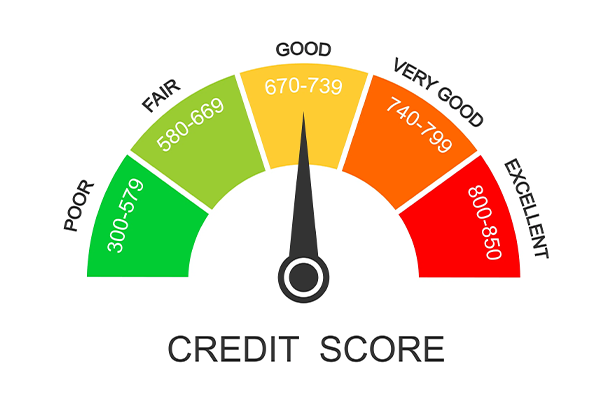
Your credit score is one of the key factors that lenders use to evaluate your ability to repay the loan. However, the USDA doesn’t solely base eligibility on your score. Here’s a deeper look at how your credit score impacts your loan approval:
- Lower Interest Rates: The higher your credit score, the better your interest rate. A higher score signals to lenders that you’re a lower-risk borrower, which means they are more likely to offer favorable terms.
- Down Payment: USDA loans offer 100% financing, so you don’t need a down payment. However, a better credit score may give you access to more favorable terms, reducing the overall cost of the loan in the long run.
- Debt-to-Income Ratio: Lenders will also look at your debt-to-income (DTI) ratio. If your DTI is high, even a higher credit score may not guarantee approval. The USDA’s guidelines suggest that a DTI ratio of 41% is the upper limit for most applicants.
Read Also: How to Boost Your Credit Score Above 750 (Even If You’re at 609)
How to Improve Your Credit Score for USDA Loan Eligibility
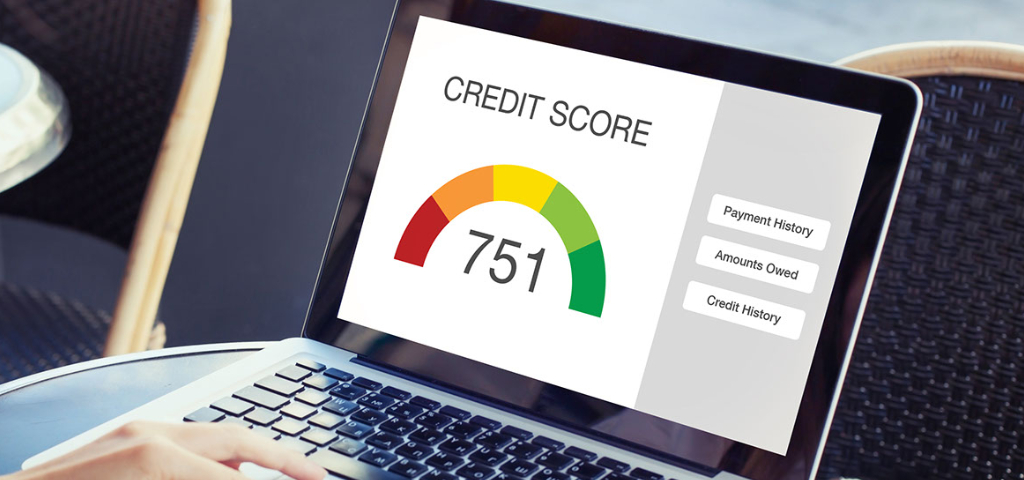
If your credit score is below the USDA’s ideal range, don’t worry; you can take steps to improve it. Here are a few tips to help you boost your credit score:
- Pay Your Bills on Time: Payment history is the most significant factor in your credit score. Make sure you are paying all your bills on time, including credit cards, loans, and utilities.
- Reduce Credit Card Balances: Your credit utilization ratio (the percentage of your available credit you’re using) is another critical factor. Aim to keep your utilization rate under 30%.
- Avoid New Credit Applications: Each credit inquiry can have a slight negative impact on your score. Avoid applying for new credit cards or loans while preparing for a USDA loan.
- Check Your Credit Report for Errors: Regularly review your credit report to ensure that no errors are affecting your score. If you find any discrepancies, dispute them with the credit bureaus.
Does Paying Rent Late Affect Your Credit? What You Must Know in 2026
USDA Loan Requirements Beyond Credit Score
While your credit score is an essential factor, other USDA loan requirements must also be met:
- Income Limits: USDA loans are intended for low-to-moderate-income households. Your income must fall within the limits set by the USDA for your area. These limits vary based on the county and household size.
- Location: The home you are purchasing must be located in a USDA-approved rural or suburban area. Check the USDA’s eligibility map to see if your desired property qualifies.
- Debt-to-Income Ratio (DTI): Your DTI ratio is a crucial factor in your USDA loan application. USDA guidelines typically require a DTI ratio of 41% or less, but this can be higher with compensating factors, such as a strong credit history or substantial savings.
- Citizenship or Legal Residency: You must be a U.S. citizen, U.S. non-citizen national, or a qualified alien to apply for a USDA loan.
What to Do If You Don’t Meet the Credit Score Requirements
If you don’t meet the credit score requirements for a USDA loan, there are still options available to improve your chances of approval:
- Consider Other Government Loans: FHA loans and VA loans also offer low-down-payment options for individuals with less-than-perfect credit.
- Work on Your Credit: As mentioned earlier, improving your credit score can make a significant difference. Take steps to pay down existing debts, avoid missed payments, and keep your credit utilization low.
- Consult a Mortgage Broker: A mortgage broker can help you navigate different loan options and find a lender willing to work with you.
Conclusion: Can You Qualify for a USDA Loan with Bad Credit?
Yes, you can lease a vehicle with bad credit, but securing a USDA loan with bad credit can be challenging. While a credit score of 640 or higher is ideal, some lenders may accept scores in the 580–639 range with manual underwriting. The key to success is understanding the other factors that play into your application, such as your debt-to-income ratio, savings, and employment history.
If you’re working on improving your credit score or want to explore USDA loans further, Credit Veto can help you improve your credit and get on the path to homeownership. Our platform helps you track your credit, dispute errors, and take the necessary steps to rebuild your financial standing. Get started and start building the perfect credit score you desire.
Frequently Asked Questions (FAQs)
What is the minimum credit score for a USDA loan?
The minimum credit score for a USDA loan is generally 640, but some lenders may accept scores as low as 580 with additional documentation.
Can I get a USDA loan with a credit score under 600?
It’s possible, but you may face higher interest rates, and your loan application may require manual underwriting.
Can I apply for a USDA loan with a high debt-to-income ratio?
The USDA prefers a DTI ratio of 41% or lower, but it may allow higher ratios in some cases, depending on other factors, such as strong credit history or substantial savings.
How long does it take to improve my credit score for a USDA loan?
Improving your credit score can take several months, depending on your current financial situation and how quickly you pay down existing debts and resolve credit issues but with structured automated systems like Credit Veto, you can arrive at that goal faster and easier
About The Author

 How to Remove Inaccurate Items from Your Credit Report Quickly
  Best Credit Repair Companies That Are Worth Trusting
  How to Dispute Credit Report Errors and Win in 2026
  Why Did My Credit Score Drop After Paying Off Debt? Proven Fixes
  How to Fix a Low Credit Score Fast: What Works in 2026
  How to Remove Closed Accounts from Credit Report Fast
  The Smartest AI Credit Repair Tool to Fix Your Credit Fast