Can Divorce Affect Your Credit Score? What You Must Know

Short Answer: Yes, divorce can impact your credit score. While the divorce itself doesn’t directly affect your credit, the financial changes that follow (such as joint accounts, debt obligations, and shifts in income) can. These factors, if not managed properly, can lead to a decline in your credit score.
Divorce is one of life’s most difficult transitions, and it can also take a toll on your finances, including your credit score. Though many people ask, “Can divorce affect your credit score?”, the answer isn’t as straightforward as a simple yes or no. Divorce can affect your credit score indirectly through financial changes, joint debts, and the complications that arise when credit responsibilities are split.
In this blog, we’ll walk you through the key factors that link divorce and credit score impacts, how you can protect your credit during this time, and practical steps to rebuild your credit post-divorce. Whether you’re navigating the end of a marriage or managing finances after a divorce, understanding these factors can save you time, money, and unnecessary stress.
How Divorce Affects Your Credit Score

While divorce itself doesn’t automatically lower your credit score, there are several ways it can indirectly impact your credit:
1. Joint Accounts and Shared Debt
One of the main issues is that divorce doesn’t automatically erase joint accounts or shared debts. If your ex-spouse fails to make payments on joint credit cards or loans, you might be held accountable for the debt, which can harm your credit.
Example: A joint credit card that still carries a balance can lower your credit score if your ex misses a payment, even if you no longer use the card.
2. Changes in Income and Spending Habits
After a divorce, many people find themselves adjusting to a single income or dealing with alimony and child support payments. These changes can make it harder to keep up with bill payments, leading to missed payments or high credit utilization, which can negatively affect your credit score.
3. New Credit Accounts
After a divorce, one or both parties may open new credit accounts. The increase in credit inquiries or new debt can result in a dip in your credit score.
Example: If your spouse opens new credit accounts and maxes them out, the credit utilization may hurt both of your scores.
Read Also: Managing Credit Utilization (5 Smartest Ways to Boost Your Score)
Can Divorce Affect Your Credit Score?
Divorce is an emotionally and financially challenging life event. While many people focus on the emotional aspects of ending a marriage, it’s also essential to consider how it may impact your credit score. The reality is, divorce itself doesn’t directly affect your credit score, but the financial changes that often follow a divorce can have significant consequences.
When going through a divorce, issues like joint debts, changes in income, and the division of assets can lead to financial strain. If these matters are not handled correctly, it can lead to missed payments, increased debt, and a negative impact on your credit. It’s crucial to understand how divorce-related financial shifts may influence your credit and what you can do to protect it.
Let’s break down how divorce can indirectly affect your credit score and the steps you can take to safeguard your financial future during and after the process.
How to Protect Your Credit During Divorce
Protecting your credit during a divorce is critical to ensuring your financial future isn’t jeopardized. Here’s what you can do to protect your credit during this time:
1. Separate Joint Accounts Immediately.

If you have joint credit accounts with your ex, it’s crucial to close or separate them as soon as possible. Otherwise, you may still be responsible for any debt that continues to accumulate.
Action Tip: Open individual accounts and have your ex’s name removed from shared accounts. This will ensure that you’re not financially liable for their actions.
3. Carefully Allocate Debt in Your Divorce Settlement
Make sure the division of debt is clearly outlined in your divorce agreement. If you’re taking responsibility for certain debts, ensure those are reflected on your credit report as your responsibility.
Action Tip: Get a lawyer or financial expert to help you clearly allocate which debts are yours and which are your ex-spouse’s.
See Also: Can I Hire a Lawyer to Fix My Credit? What Actually Works
3. Monitor Your Credit Report Regularly
Divorce can lead to unexpected changes on your credit report, such as missed payments or the addition of new accounts. To prevent this, keep an eye on your credit regularly.
Action Tip: Sign up for free credit monitoring services to track your credit score and dispute any unauthorized changes quickly.
Rebuilding Your Credit After Divorce
While your credit may take a hit during a divorce, rebuilding it is possible. Here are some steps you can take to recover:
- Make Timely Payments
Payment history is the largest factor affecting your credit score. Avoid missing payments on any debt obligations, including bills, credit cards, and loans.
Action Tip: Set up automatic payments to ensure you never miss a payment.
- Pay Down Existing Debt
If you’ve inherited debt during the divorce, focus on paying it down quickly. Keeping credit utilization low (under 30%) is essential for maintaining or improving your credit score.
Action Tip: Prioritize paying off high-interest or high-balance accounts first.
- Avoid Opening New Credit Accounts
Opening new accounts right after a divorce can lead to more hard inquiries on your credit report, which can negatively impact your score.
Action Tip: Avoid opening new credit lines unless absolutely necessary.
How CreditVeto Can Help You Protect Your Credit During and After Divorce:
CreditVeto is designed to support you throughout the divorce process and help you recover financially. Our platform offers tools to repair your credit, monitor changes, and provide guidance on rebuilding your score post-divorce.
- Credit Repair: CreditVeto helps identify negative marks on your credit report and disputes inaccuracies, giving you the tools to repair your credit after a divorce.
- Monitoring: With ongoing monitoring, you can stay on top of your credit score and address any issues before they escalate.
- Guidance: Get expert advice on how to handle financial responsibilities during a divorce, and create a plan for rebuilding your credit.
Conclusion
Divorce can affect your credit score, but with careful planning and action, you can minimize the impact and recover quickly. By understanding how divorce-related changes affect your finances, separating joint debts, and monitoring your credit report, you can protect your score.
Structured platforms like CreditVeto can help you manage your credit and rebuild it post-divorce, giving you a strong financial foundation moving forward. Sign up today to get started.
Frequently Asked Questions (FAQs)
- Can divorce affect your credit score?
Yes, divorce can impact your credit score, especially when joint debts or accounts are involved. - How can I protect my credit during a divorce?
Close joint accounts, monitor your credit regularly, and make sure your divorce settlement clearly allocates debt responsibilities. - How can I rebuild my credit after a divorce?
Focus on timely payments, reducing debt, and avoiding new credit accounts. Platforms like CreditVeto can help you dispute errors and monitor your credit for improvements.
About The Author

 How to Remove Inaccurate Items from Your Credit Report Quickly
  Best Credit Repair Companies That Are Worth Trusting
  How to Dispute Credit Report Errors and Win in 2026
  Why Did My Credit Score Drop After Paying Off Debt? Proven Fixes
  How to Fix a Low Credit Score Fast: What Works in 2026
  How to Remove Closed Accounts from Credit Report Fast
 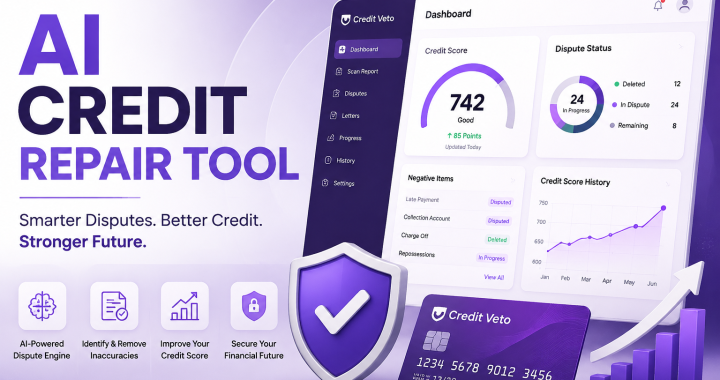 The Smartest AI Credit Repair Tool to Fix Your Credit Fast