What Credit Score Do You Need for Dental Implants? Complete Financing Guide
Short Answer: To finance dental implants, most lenders require a credit score of at least 650, though some programs may accept scores as low as 500 with higher interest rates or larger down payments. Your credit score affects the terms and approval process, so understanding what lenders look for is key to securing the best financing options.
When considering dental implants, many people usually wonder, “What credit score do you need for dental implants?” Dental implants can be a life-changing procedure, but they often come with a hefty price tag.
If you’re thinking about financing your dental implants, your credit score plays a crucial role in determining whether you’ll get approved for financing, as well as what interest rates and payment terms you’ll receive.
In this blog post, we’ll break down the credit score requirements for dental implants, how your credit score impacts your financing options, and what steps you can take to improve your credit before applying for.
Understanding Your Credit Score for Dental Implant Financing
Your credit score plays a crucial role in financing options for dental implants. It gives lenders a snapshot of your financial history, showing how well you’ve managed credit in the past. A higher score indicates you’re a reliable borrower, while a lower score may suggest a higher risk for lenders.
For dental implant financing, most lenders will evaluate your credit score before offering you a loan or payment plan. Typically, the better your score, the more favorable your financing terms will be, such as lower interest rates and flexible payment plans.
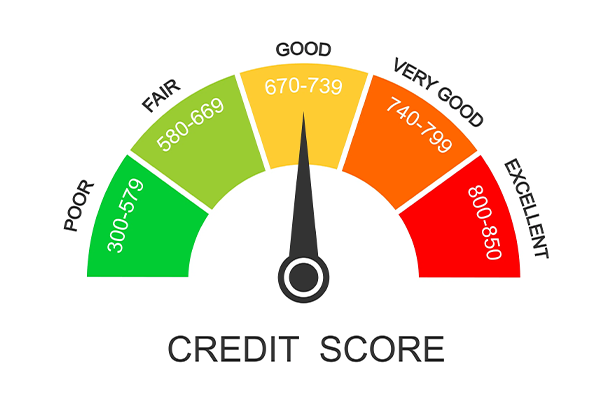
Here’s a breakdown of how different credit score ranges can affect your chances of financing dental implants:
- Excellent Credit (750 and Above)
With an excellent credit score, you’ll have the best chances of securing financing at the lowest interest rates. Lenders see you as a reliable borrower, which could result in zero or low-interest payment plans.
- Good Credit (700–749)
A good score increases your chances of getting approved for dental implant financing. While you may not receive the best terms available, your rates will likely be competitive and affordable.
- Fair Credit (650–699)
If your score falls in the fair range, you can still qualify for financing, but you may face higher interest rates. The terms might be less favorable, and some lenders may require a larger down payment to offset the risk.
- Poor Credit (550–649)
With poor credit, securing financing for dental implants becomes more challenging. You may still find lenders willing to work with you, but the terms will likely be less favorable with higher interest rates and stricter repayment conditions.
- Bad Credit (Below 550)
A credit score below 550 presents significant challenges when applying for dental implant financing. Many lenders may deny your application outright, but there are options available from specialty lenders who work with individuals in this category. Expect high-interest rates and less favorable terms, though.
Understanding how your credit score affects your ability to finance dental implants can help you prepare and improve your chances of approval. If your credit score isn’t where you’d like it to be, consider taking steps to improve it before applying for financing. This might include paying off outstanding debts or ensuring all payments are made on time.
By taking the right steps, you can increase your chances of securing financing for your dental implants, regardless of your credit score.
Read Also: Default Credit Score, The Surprising Truth & Alternative Scores
What Credit Score Do You Need for Dental Implants?
While every lender has different requirements, there are general guidelines to keep in mind when considering financing for dental implants.
Typically, a 650 or higher credit score is ideal for securing favorable terms with most lenders. However, if your score falls below this threshold, you may still qualify, but with higher interest rates or less favorable loan terms.
Let’s break it down further:
- 650+ Credit Score (Good): With a score in this range, you are more likely to qualify for dental implant financing at competitive rates. You may even have access to 0% interest promotional offers if you can pay off the balance within a specified time frame.
- 600–649 Credit Score (Fair): If your score falls within this range, you may still qualify for financing, but your options could be more limited, and the interest rates will likely be higher. You might also be required to provide a larger down payment or demonstrate a stable income to ease the lender’s risk. While it’s still possible to get approved, expect less flexibility in your financing terms.
- 550–599 Credit Score (Poor): With a score in this range, your financing options become more limited. While some lenders may still approve your application, the interest rates will be much higher, and you may face stricter repayment terms. It’s important to shop around for lenders who specialize in working with individuals with less-than-ideal credit. Alternatively, you may consider applying with a co-signer to improve your chances of approval.
- Below 550 Credit Score (Bad): A credit score below 550 significantly reduces your chances of securing dental implant financing. Many traditional lenders may reject your application, and even if you’re approved, the loan terms will likely be unfavorable with very high-interest rates. However, some lenders, particularly those that specialize in bad credit loans, may be willing to work with you. In such cases, a larger down payment and a co-signer may be required to secure the loan.
See Also: Stuck at a 565 Credit Score? Here’s How to Break Past It
Other Factors Affecting Approval for Dental Implant Financing
While your credit score is one of the most important factors in securing financing for dental implants, it’s not the only factor lenders consider. Other elements include:
- Income and Employment Stability: Lenders want to ensure that you have a steady income to meet your monthly payments. If you’re employed full-time or have a stable source of income, your chances of approval increase.
- Debt-to-Income Ratio (DTI): Your DTI ratio measures your monthly debt payments against your income. A lower DTI ratio signals that you can manage additional debt, making you a more attractive candidate for financing.
- Existing Debt: If you have a lot of existing debt, such as credit cards, loans, or mortgages, it could affect your ability to secure financing. Lenders may worry that you’ll be unable to keep up with another monthly payment, especially if your current debt obligations are already high.
Alternatives to Traditional Financing for Dental Implants
If your credit score isn’t ideal, there are still options to finance your dental implants. Here are some alternatives to traditional financing that you can explore:
Dental Financing Plans:
Many dentists offer in-house financing options that don’t require a perfect credit score. These plans may have flexible terms, lower down payments, and easier approval processes. Be sure to ask your dentist if they offer financing or if they have partnerships with third-party lenders.
CareCredit:
CareCredit is a popular financing option for medical and dental procedures. With CareCredit, you may not need perfect credit to qualify, and they offer interest-free periods for certain repayment terms. You’ll still need to meet the lender’s approval criteria, but it can be a great option for those with fair or slightly below-average credit.
Personal Loans:
If you have a fair or good credit score, a personal loan could be a viable option to finance dental implants. Personal loans often come with lower interest rates than credit cards, and they don’t require you to use your home or other assets as collateral.
Credit Cards with 0% APR:
For those with good credit, a credit card offering a 0% introductory APR for a specific period can be a smart option. This allows you to spread out payments over time without accruing interest. However, be aware of the interest rate that will apply after the introductory period ends.
Financing Options for Those With Poor Credit
If you’re looking to finance your dental implants with a lower credit score, here are some options you may want to consider:
- Secured Loans: Some lenders may offer secured loans, where you provide collateral (such as a car or property) to secure the loan. This can help reduce the lender’s risk and improve your chances of approval.
- Co-Signer: Having a co-signer with better credit can improve your chances of getting approved. The co-signer agrees to take responsibility for the loan if you fail to make payments, which reduces the lender’s risk.
- In-House Financing: Some dental offices offer in-house financing for patients, especially if they don’t qualify for traditional loans. The terms may vary, but this can be an option to consider if you have poor credit.
- Specialty Lenders: There are lenders who specialize in offering financing to individuals with bad credit. While the interest rates may be higher, these lenders may be more willing to work with you and approve your application.
How to Improve Your Credit Score for Dental Implant Financing
If your credit score is currently below the ideal range for financing dental implants, there are steps you can take to improve it before applying for a loan:
- Check Your Credit Report:
Review your credit report for errors or discrepancies that could be dragging down your score. Disputing any incorrect information can help boost your score. - Pay Down Credit Card Balances:
High credit card balances can negatively affect your score. Reducing your outstanding balances can help lower your credit utilization ratio and improve your credit score. - Make Payments on Time:
Your payment history makes up a significant portion of your credit score. Make sure to pay your bills on time, including credit cards, loans, and any other outstanding debts. - Avoid New Credit Inquiries:
Each new credit inquiry can cause a small drop in your credit score. Try to avoid applying for new credit lines in the months leading up to your dental implant financing application. - Consider a Secured Credit Card:
If you’re rebuilding your credit, a secured credit card can be a helpful tool. By making regular payments on a secured card, you can improve your credit score over time.
Conclusion: Is It Possible to Finance Dental Implants with Bad Credit?
Knowing what credit score you need for dental implants helps you plan with clarity instead of guessing. While a score of 650 or higher gives you the best financing options, lower scores do not automatically disqualify you. What matters most is understanding your current credit position, choosing the right financing path, and avoiding decisions that create long-term financial stress.
Dental implants are a health investment, not just a cosmetic one. Rushing into high-interest financing without addressing credit issues can turn a medical need into a financial setback. On the other hand, taking the time to improve your credit or explore smarter financing options can save you thousands over the life of the loan.
If your credit score is holding you back, the solution is not to delay treatment forever. It is to fix what is blocking access to better terms. With the right guidance and a clear plan, you can improve your credit, qualify for safer financing, and move forward with confidence.
At Credit Veto, we specialize in helping people repair their credit scores, making it easier to qualify for loans, credit cards, and granting you access to other financing options. Whether you’re considering dental implant financing now or in the future, our tools and services can help you improve your credit and increase your chances of securing favorable financing terms. Get started today and your future dental health will thank you!
Frequently Asked Questions (FAQs)
1. What credit score do you need for dental implants?
Typically, a score of 650 or higher is ideal for securing financing with favorable terms for dental implants. However, even with a lower score, you may still qualify, but expect higher interest rates.
2. Can I finance dental implants with bad credit?
Yes, you can, but it may be harder. You might face higher interest rates, larger down payments, and fewer options for financing. Consider exploring alternatives like CareCredit or finding a co-signer.
3. How long does it take to improve my credit score for dental financing?
Improving your credit score can take anywhere from a few months to a year, depending on your situation but with structured automated systems like Credit Veto, it becomes faster and easier. Start by paying down balances and disputing any errors on your credit report.
 Does Selling Your House Affect Your Credit Score? What Most Homeowners Miss
  Is It Normal for Credit Score to Fluctuate? What’s Causing It
  What Will My Credit Score Be After Bankruptcy? The Shocking Truth
  Does Paying Your Credit Card Early Help Your Credit Score? Top 3 Benefits
  How Long Do Late Payments Stay on Your Credit Report? 2026 Update