Does a DUI Affect Your Credit Score? 5 Ways to Protect It

Short Answer: Yes, a DUI (Driving Under the Influence) can indirectly affect your credit score, but not because of the DUI itself. The impact typically arises from the financial consequences associated with a DUI, such as fines, increased insurance rates, and possible legal costs. Here’s what you need to know.
If you’ve been arrested for a DUI (Driving Under the Influence), you may be concerned about its impact on more than just your driving privileges. While the immediate consequences are clear (license suspension, fines, and possibly even jail time), many people overlook a critical area: your credit score.
Does a DUI affect your credit score? The short answer is yes, but not in the direct way you might think. A DUI doesn’t automatically lower your score, but the financial ripple effects from the incident can hurt your credit in significant ways. Missed payments, new debt from legal fees, and changes to your income can all contribute to a dip in your score.
In this blog, we’ll uncover how a DUI can indirectly harm your credit, the five ways you can protect your score, and actionable steps you can take to bounce back quickly. Whether you’ve already faced a DUI conviction or are simply concerned about how it might affect your financial future, you’re in the right place to learn how to safeguard your credit.
Let’s get into it.
Understanding the Impact of a DUI on Your Credit Score
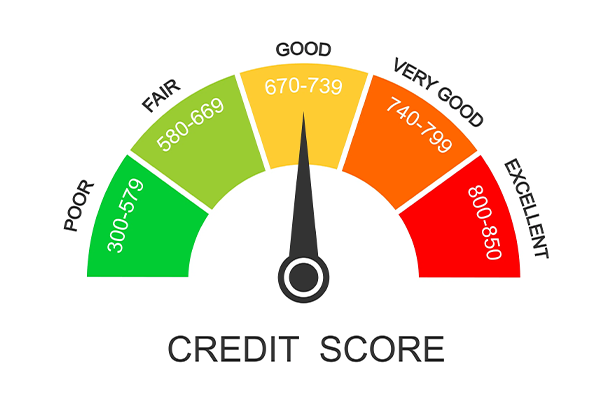
A DUI conviction itself will not directly affect your credit score, but the financial consequences that come with it can. Let’s break down why this happens:
- Fines and Legal Fees
One of the primary impacts of a DUI on your finances is the fines and legal fees. Depending on your location, fines for a DUI can range from hundreds to thousands of dollars. If you’re unable to pay these fees on time, they could lead to late payments on your credit cards, loans, or even collections, all of which can damage your credit score.
- Increased Insurance Premiums
After a DUI, your car insurance rates are likely to increase significantly. If you are unable to pay these higher premiums, your credit could suffer as a result. Additionally, some insurers may require you to pay upfront for the entire year, which can put a strain on your finances, potentially leading to missed payments or higher credit utilization rates.
- Loss of Employment
Certain jobs, especially those in the transportation industry, may be difficult to keep or find after a DUI conviction. If you lose your job or face reduced income, it can become harder to meet your financial obligations, which will affect your credit score.
- Court-Ordered Payments and Probation Fees
In some cases, DUI offenders may be required to make court-ordered payments or pay probation fees. Missing these payments can lead to negative marks on your credit report, further damaging your credit score.
Read Also:6 Best Steps to Remove Paid Collections From Credit Report
Does Having a DUI Affect Your Credit Score Immediately?

No, a DUI conviction does not directly affect your credit score right away. Credit scores are primarily influenced by factors such as payment history, credit utilization, length of credit history, and types of credit in use. Since a DUI itself does not directly alter any of these factors, it won’t immediately lower your score.
However, the financial ripple effects of a DUI conviction can have an indirect impact on your credit. For example, if you struggle to pay the fines, legal fees, or other expenses associated with the DUI, this could lead to missed payments or increased credit utilization.
If you fall behind on bills or are forced to take out high-interest loans to cover these costs, it could damage your credit score over time. These secondary financial consequences are what typically cause a drop in your credit score, not the DUI conviction itself.
So, while a DUI doesn’t directly affect your credit score, the financial burden it creates could. It’s important to stay on top of your finances and avoid missing payments to protect your credit score from any indirect damage.
How to Protect Your Credit Score After a DUI
Although a DUI conviction itself won’t directly hurt your credit score, the financial consequences that follow can. It’s essential to take steps to safeguard your credit score from the potential negative effects. Here’s how you can do it:
1. Make Timely Payments
Paying your bills on time is one of the most crucial steps to maintaining your credit score. Even if you’re juggling additional expenses from a DUI, prioritizing your credit card payments, loans, and other bills will help you avoid late fees and negative marks on your credit. Late payments can severely impact your score, so staying on top of payments is key.
2. Keep Your Credit Utilization Low
Credit utilization is the ratio of how much credit you’re using compared to your available credit limit. High utilization can hurt your credit score. To keep your score intact, aim to use less than 30% of your credit limits. This can prevent the financial strain from escalating into missed payments and credit score damage.
3. Avoid Accumulating Debt
A DUI can be financially overwhelming, and it might seem like using credit cards to cover expenses like fines or legal fees is an easy solution. However, piling up debt can quickly become unmanageable, leading to high balances and missed payments. Staying disciplined by avoiding further debt accumulation is crucial to maintaining your credit health.
4. Monitor Your Credit Report
Stay proactive by regularly monitoring your credit report. If any errors pop up, such as incorrect payments or accounts you don’t recognize, you should dispute them immediately. This way, you can prevent these errors from negatively impacting your credit score. Regular checks also help you stay on top of any changes that might affect your credit status.
5. Seek Professional Help
If the financial repercussions of a DUI are causing you to feel overwhelmed, working with a credit repair expert can help you regain control. At Credit Veto, we offer credit repair tools that can help you track changes, dispute errors on your report, and get personalized advice on how to rebuild your credit. With proper guidance, you can improve your credit score and avoid further damage from financial setbacks.
Protecting your credit score after a DUI doesn’t have to be overwhelming. With the right steps, and support from tools like Credit Veto, you can stabilize your finances and work toward restoring your credit.
Why You Should Focus on More Than Just the DUI
While the DUI may seem like the main issue, your financial habits afterward will play a much more significant role in your credit score.
The real key to preserving your credit is managing your finances effectively, prioritizing payments, reducing debt, and avoiding late fees.
The good news is that these practices can have a positive impact on your credit score, even if you’re still dealing with the aftermath of a DUI.
Can You Recover Your Credit Score After a DUI?
Yes, recovery is possible. Even though a DUI can lead to financial consequences that harm your credit score, you can still rebuild your credit.
The timeline will vary depending on the severity of the financial impact, but with consistent effort, positive financial behavior, and responsible credit management, your credit score can improve over time.
Conclusion
A DUI can indirectly affect your credit score through the financial challenges it creates, such as fines, higher insurance premiums, and the potential for missed payments. While the DUI itself doesn’t directly damage your score, the resulting financial strain can.
To protect your credit, focus on making timely payments, reducing debt, and monitoring your credit report for errors and rebuilding with structured platforms like Credit Veto. By taking these steps, you can minimize the long-term impact of a DUI on your credit and rebuild your financial standing. Start protecting your credit the best way, today.
Frequently Asked Questions (FAQs)
Does a DUI show up on your credit report?
No, a DUI itself doesn’t show up on your credit report. However, if the financial consequences (such as unpaid fines) affect your ability to make payments, this can show up on your credit report.
Can a DUI increase my insurance rates?
Yes, a DUI often results in higher car insurance premiums. This increased cost can affect your finances and potentially lead to missed payments, which may impact your credit.
How long does a DUI affect your credit?
While a DUI itself doesn’t directly affect your credit, the associated financial consequences, such as missed payments, can impact your credit score for several years.
About The Author

 Credit Repair vs. Credit Counseling: Which One is Right for You?
  Does Selling Your House Affect Your Credit Score? What Most Homeowners Miss
  Is It Normal for Credit Score to Fluctuate? What’s Causing It
  What Will My Credit Score Be After Bankruptcy? The Shocking Truth
  Does Paying Your Credit Card Early Help Your Credit Score? Top 3 Benefits