How to Remove a Closed Account from Your Credit Report: 3 Best Steps

Short Answer: Yes, you can remove a closed account from your credit report, though it requires some effort. While closed accounts can remain on your credit report for several years, steps like disputing errors or asking for goodwill adjustments can help reduce their impact.
Closed accounts on your credit report can hurt your credit score, especially if the account shows negative marks like missed payments or defaults. But here’s the thing: you don’t have to simply accept these closed accounts if they’re affecting your score.
Whether you’re trying to remove a closed credit card account, an auto loan, or a mortgage, you have options. The key is understanding how closed accounts appear on your credit report, why they can impact your credit, and what steps you can take to get them removed or at least minimize their negative impact.
In this guide, we’ll break down everything you need to know about how to remove a closed account from your credit report, including when it’s worth disputing and how to ask for goodwill deletions. We’ll also share actionable tips on how to improve your credit score even with closed accounts on your report.
By the end of this post, you’ll have a clear plan of action to manage your credit report, remove negative marks, and move toward a stronger credit score.
What is a Closed Account on Your Credit Report?
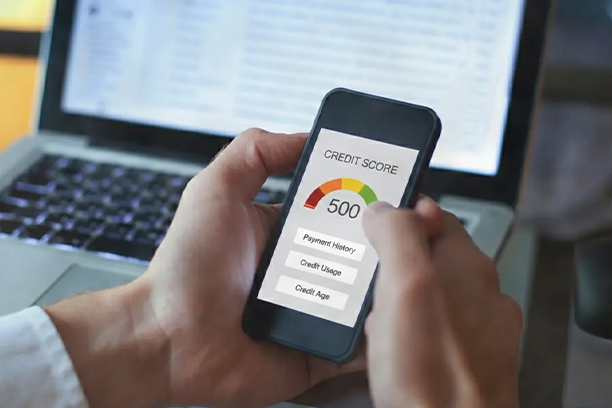
Before you can take steps on how to remove a closed account from your credit report, it’s essential to understand what a “closed” account means and how it affects your credit. When you close a credit account, it doesn’t simply disappear.
It can remain on your credit report for several years and continue to impact your credit utilization ratio and overall score. Closed accounts can be categorized in two distinct ways: positive or negative.
Positive Closed Accounts
A positive closed account typically refers to a credit account that was closed after you fully paid off the balance. These accounts are usually marked as “closed—paid in full” or “closed—paid as agreed.” These types of closed accounts can have a positive effect on your credit score, as they show that you were able to meet your financial obligations and settle the debt as agreed.
Negative Closed Accounts
On the other hand, negative closed accounts occur when an account is closed due to overdue payments, defaults, or settlements. These can be marked as “closed charge-off,” “closed paid for less than owed,” or similar terms.
Negative closed accounts can have a significant negative impact on your credit score, as they show that you failed to meet the payment terms or paid less than what was owed. This can remain on your report for up to seven years, continuing to affect your creditworthiness.
Why This Matters
Here’s why understanding closed accounts is crucial:
- Credit Utilization
Even after an account is closed, it still counts toward your total available credit. This means the balance of your credit limit, whether you use the account or not, will affect your credit utilization ratio. A high credit utilization ratio can lower your credit score, as it indicates that you are using a significant portion of your available credit.
- Length of Credit History
The length of your credit history plays a vital role in your credit score. A closed account, particularly one that has been open for many years, can positively impact this aspect of your credit score. However, if the closed account has negative marks, such as late payments or charge-offs, it can hurt your credit score instead.
Understanding these nuances is the first step in knowing how to remove a closed account from your credit report or how to minimize its negative impact.
Read Also: Managing Credit Utilization (5 Smartest Ways to Boost Your Score)
How to Remove a Closed Account from Your Credit Report
While you can’t simply erase a closed account from your credit report, there are a few actions you can take to improve your credit report and potentially remove negative marks associated with closed accounts. Here’s a step-by-step guide to help you address the issue:
1. Dispute Errors on Your Credit Report
The first step in removing a closed account from your credit report is to ensure that all the information regarding the account is accurate. Mistakes on your credit report, such as outdated data, accounts marked as closed that were never opened, or discrepancies in the account status, can be disputed.
How to Dispute:
- Step 1: Obtain a free credit report from one of the three major credit bureaus (Equifax, Experian, or TransUnion). You’re entitled to one free report per year from each bureau via AnnualCreditReport.com.
- Step 2: Review the closed account for any inaccuracies, including incorrect account status, payment history, or account details.
- Step 3: File a dispute with the respective credit bureau. You can do this online or by mail. Be sure to provide any supporting documentation, such as payment receipts, account closure confirmations, or any other relevant paperwork.
- Step 4: Wait for the credit bureau to investigate your dispute. They typically resolve disputes within 30-45 days.
Key Tip: If the account was marked as closed but was never actually opened, or if there are significant inaccuracies in the reporting, you may be able to have it removed entirely from your credit report.
This is a straightforward and often effective way to clean up your credit report and reduce the impact of a closed account on your credit score.
See Also: 6 Best Steps to Remove Paid Collections From Credit Report
2. Request a Goodwill Deletion

If the closed account on your credit report has negative marks, such as late payments or defaults, you may be able to request a goodwill deletion from the creditor.
This involves asking the lender to remove the negative information from your credit report out of goodwill, particularly if you have a strong payment history with them. It’s a polite request, often based on the understanding that your financial situation has improved, and you’ve made efforts to pay off your debts.
How to Request a Goodwill Deletion:
- Step 1: Write a goodwill letter to the lender or creditor explaining the situation. The letter should be respectful, honest, and concise.
- Step 2: Acknowledge why you missed payments or had issues with the account. Take responsibility, but keep the tone professional and considerate.
- Step 3: Explain how your financial situation has improved, and highlight how you’ve worked to correct the mistake. For instance, you can mention making regular on-time payments or paying off outstanding debts. Showing that you’re now financially responsible may encourage the lender to grant your request.
Key Tip: A goodwill deletion request doesn’t always work, but it’s worth trying, especially if you’ve had a positive relationship with the lender and have made a good faith effort to rectify your financial issues. If they are receptive to your request, you may get the negative information removed, resulting in an improved credit score.
3. Wait for the Closed Account to Fall Off Naturally
If you’re unable to remove the closed account through disputes or goodwill deletions, you can simply wait for it to be removed from your credit report naturally. Closed accounts, especially those with negative marks, generally remain on your credit report for up to 7 years. Although this may seem like a long time, it’s important to understand that the impact of the closed account on your credit score will lessen as time passes.
Key Tip: After 7 years, the closed account will automatically fall off your credit report, and its negative impact will be gone. If you don’t require immediate credit repair and have no urgent need for a credit score boost, waiting it out can be the simplest and least stressful option. While waiting, continue to build positive credit behavior to offset any damage the closed account may have caused.
How to Improve Your Credit After a Closed Account
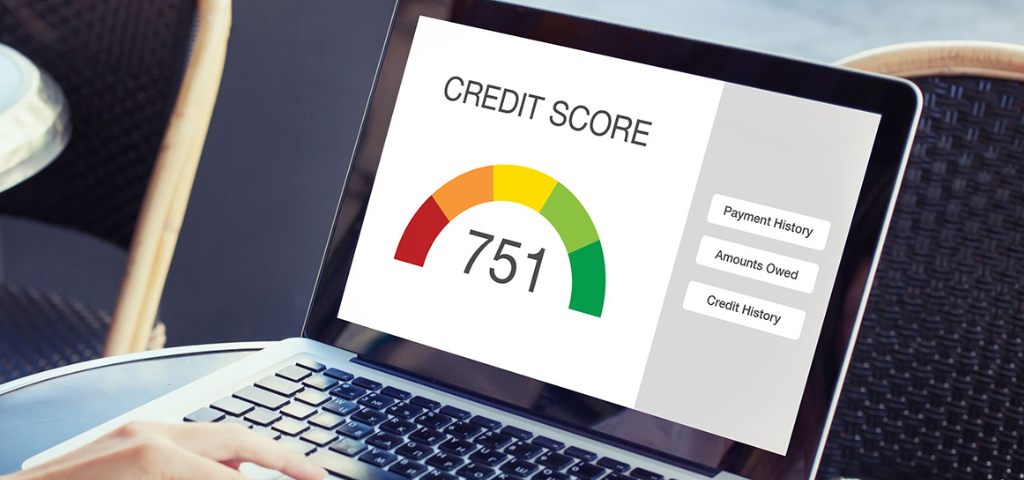
Even if you can’t remove the closed account right away, there are several steps you can take to improve your credit score and minimize the negative impact of the closed account:
- Pay Off Existing Debts to Lower Your Credit Utilization Ratio
One of the most important factors affecting your credit score is your credit utilization ratio, which is the amount of credit you’re using compared to your total available credit. By paying off existing debts, you can reduce this ratio and improve your credit score. A lower utilization rate demonstrates to lenders that you’re managing your credit responsibly.
- Open New Credit Accounts Carefully
If you’re able to open new credit accounts, doing so can help increase your total credit limits. This can lower your overall credit utilization ratio, which positively impacts your score. However, be cautious when opening new accounts, as too many inquiries or too much new credit can hurt your score in the short term. Make sure you manage these new accounts wisely and avoid overspending.
- Make On-Time Payments for All Your Open Accounts
Payment history accounts for the largest portion of your credit score, so consistently making on-time payments is crucial. Even if you have a closed account with a negative impact, maintaining a positive payment history on all your current open accounts can help you rebuild your score. Set up reminders or use automatic payments to avoid missing due dates and keep your score moving in the right direction.
By following these steps, you can start improving your credit and offsetting the negative impact of the closed account over time. Keep in mind that rebuilding your credit will take time, but with consistent effort, you’ll see progress.
Why You Should Work with CreditVeto
If you’re struggling with a closed account on your credit report or finding it challenging to understand how closed accounts impact your credit score, Credit Veto is here to help. Our platform offers tailored solutions to guide you through the credit repair process and ensure that you’re taking the right steps to improve your financial health.
- Credit Repair Tools: With Credit Veto, you can easily identify errors on your credit report and dispute them efficiently. Whether it’s an inaccurate closed account or other discrepancies, our tools simplify the process of getting those errors corrected.
- Ongoing Monitoring: Our service includes real-time credit monitoring so you can track your progress and stay up-to-date on any changes to your credit report. This ensures you’re always informed about your credit status and can take action when needed.
- Expert Guidance and Done-for-You System: At Credit Veto, we don’t just provide tools; we offer actionable insights, expert advice, and a done-for-you system on how to improve your credit score. Whether you’re dealing with a closed account, managing debt, or working toward better financial habits, our team is here to support you every step of the way.
Let Credit Veto simplify your credit repair journey. With the right tools, monitoring, and expert advice, you can take control of your credit score and move toward a healthier financial future.
Conclusion
Removing a closed account from your credit report can be a challenging process, but it’s achievable with the right approach. Whether you’re disputing errors, requesting a goodwill deletion, or waiting for it to fall off, taking action can improve your credit score over time.
For Credit repair businesses, Credit Veto provides the tools and guidance to streamline the process and deliver better results for your clients. For individuals, we guide you step by step, helping you take control of your credit and start your journey toward a better score today.
FAQs (Frequently Asked Questions)
Q: Can I remove a closed account from my credit report?
A: Yes, you can remove a closed account through disputes, goodwill deletions, or by waiting for it to fall off after 7 years.
Q: How long does a closed account stay on my credit report?
A: Closed accounts typically remain on your credit report for up to 10 years, depending on the account status.
Q: How do closed accounts affect my credit score?
A: Closed accounts can impact your credit score based on their payment history and their effect on your credit utilization ratio.
About The Author

 Credit Repair vs. Credit Counseling: Which One is Right for You?
  Does Selling Your House Affect Your Credit Score? What Most Homeowners Miss
  Is It Normal for Credit Score to Fluctuate? What’s Causing It
  What Will My Credit Score Be After Bankruptcy? The Shocking Truth
  Does Paying Your Credit Card Early Help Your Credit Score? Top 3 Benefits