How to Dispute Credit Report Errors Online: A Complete Step-by-Step Guide
Disputing credit report errors is a crucial step in maintaining a healthy credit score. Whether it’s an old debt that shouldn’t be there, a late payment that was paid on time, or an account you didn’t even open, mistakes on your credit report can hurt your chances of getting approved for loans, credit cards, or even renting an apartment.
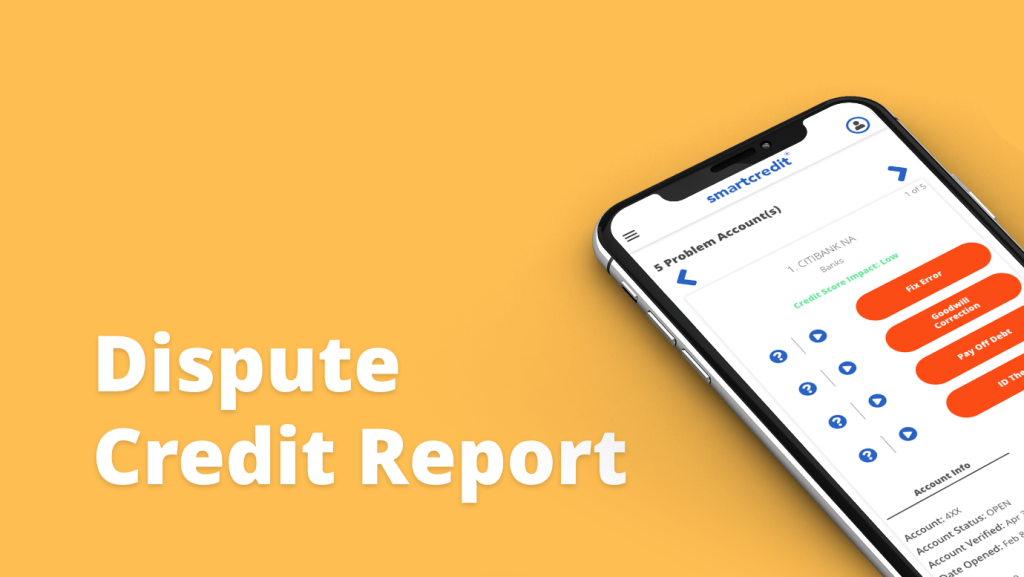
Fortunately, disputing credit report errors online is easier than ever before. With just a few clicks, you can challenge incorrect information and take control of your credit history. In this article, we’ll walk you through the entire process, from identifying the errors to submitting your dispute and tracking the results.
By the end of this guide, you’ll know exactly how to dispute credit report errors online and ensure that your credit report is as accurate as possible.
Read Also: How to Read a TransUnion Credit Report (Your Complete Guide)
What You Need Before You Dispute Online
Before you can dispute credit report errors online, there are a few important things you’ll need to gather. Having everything in place will help ensure that the process is quick, efficient, and successful. Let’s go over what you need:
1. Your Credit Reports from All Three Bureaus
First, you’ll need a copy of your credit report from all three major credit bureaus: Experian, Equifax, and TransUnion. Each bureau may report different information, so it’s important to review all three to catch any errors.
You can get your free credit reports annually at AnnualCreditReport.com. Additionally, some bureaus offer free weekly reports through April 2026, so you can check them more often if needed.
2. Proof of the Error
Once you’ve identified the errors on your report, you’ll need to gather proof to back up your claim. This could include:
- Bank statements or payment receipts showing a payment was made on time.
- Letters from lenders verifying that an account was paid off or that it belongs to someone else.
- Identity theft reports (if someone opened an account in your name).
The more detailed and accurate your proof is, the higher your chances of success. If you don’t have sufficient documentation, your dispute may be rejected.
3. Personal Information
While submitting your dispute, you’ll need to provide some basic personal information, including:
- Your full name
- Current address
- Social Security Number (or partial SSN)
- Date of birth
This helps the credit bureau verify your identity and process your dispute accurately. Make sure the information you provide matches exactly what’s on your credit report.
4. Clear Explanation of the Error
Before you start the dispute process, you’ll also need to be prepared to explain the error clearly. Simply saying, “this account is wrong,” isn’t enough.
Be specific. For example:
- “This credit card account does not belong to me; I have never opened or used it.”
- “This late payment was reported in error; the payment was made on time, and I have the bank statement to prove it.”
The clearer your explanation, the more likely your dispute will be taken seriously and processed quickly.
5. Online Dispute Portal Access
Each credit bureau has its own online dispute portal where you’ll be able to submit your claim. These portals are easy to use and allow you to:
- Submit your dispute online.
- Upload supporting documents.
- Track the status of your dispute in real-time.
Make sure you have an active internet connection and your login credentials ready for each bureau’s portal. If you prefer, you can also dispute by mail, but online submission is faster.
Why Preparation is Key
Having everything in order before you submit your dispute can make the entire process go much smoother. Missing details or incorrect documents can lead to delays or rejection. By taking the time to gather your reports, evidence, and personal information beforehand, you set yourself up for success.
Step-by-Step Guide: How to Dispute Credit Report Errors Online
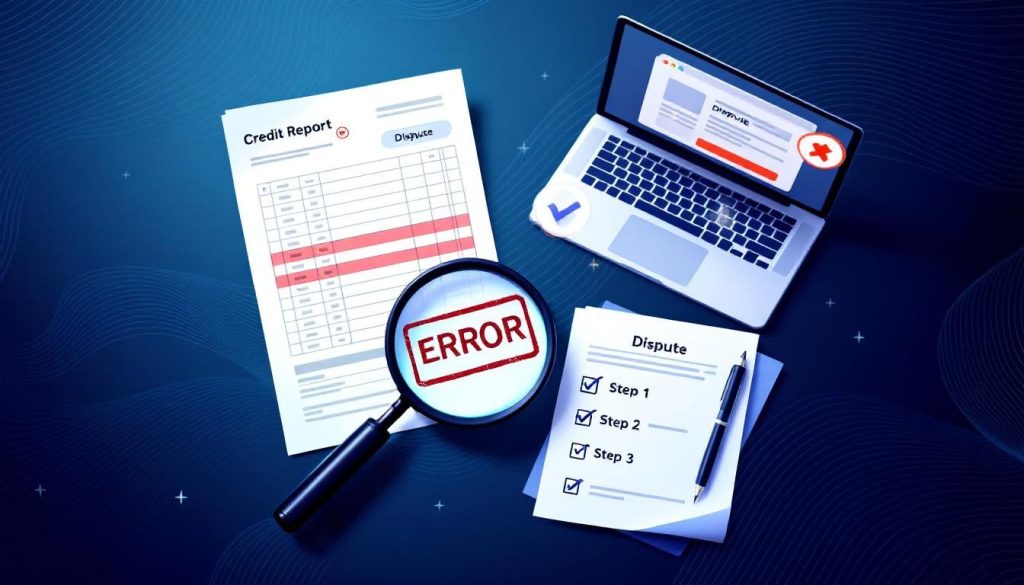
Now that you have everything you need, it’s time to begin the dispute process. Disputing credit report errors online is simple, but it’s important to follow the steps carefully to ensure success. Here’s a step-by-step guide to help you through the process:
Step 1: Obtain Your Credit Reports from All Three Bureaus
First, access your credit reports from Experian, Equifax, and TransUnion. You are entitled to one free report from each bureau every year through AnnualCreditReport.com. In 2026, you can check your credit reports more frequently, so don’t hesitate to review them regularly.
Once you have your reports, go through them carefully to identify any incorrect information that needs to be disputed.
Step 2: Identify the Errors and Highlight Them
Review each credit report and look for errors. These could be:
- Accounts that do not belong to you
- Incorrect personal information
- Accounts marked as open when they are closed
- Payments that are reported as late, even though they were on time
Once you spot an error, highlight it. This helps you stay organized and ensures you only dispute what is actually wrong. Make sure the error is valid, credit bureaus will not dispute accurate information.
Step 3: Go to the Credit Bureau’s Online Dispute Portal
Each of the three credit bureaus has an online dispute portal. These portals are the fastest way to submit a dispute. Here’s how to access them:
- Experian: Visit the Experian dispute page and log into your account.
- Equifax: Go to the Equifax dispute page and sign in to your account.
- TransUnion: Navigate to the TransUnion dispute page and log in.
These websites will guide you through the dispute process and allow you to submit your claim online.
Step 4: Submit Your Dispute Online
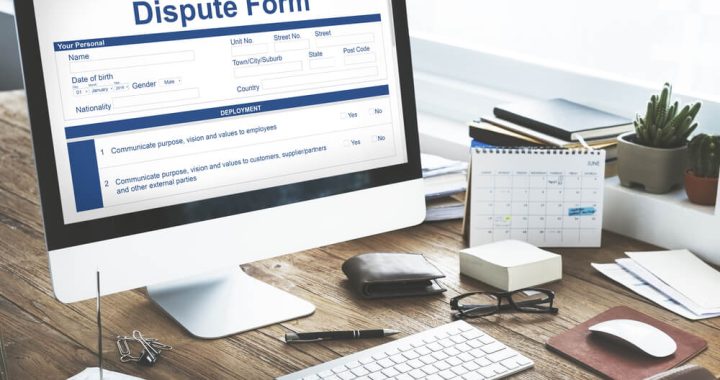
On the dispute portal, you’ll be asked to:
- Select the error you want to dispute.
- Provide a clear explanation of why you believe the information is incorrect.
- Upload supporting evidence (e.g., bank statements, proof of payments, etc.).
- Provide your personal information to verify your identity.
Make sure you fill in all the required fields and attach any supporting documents. Providing strong evidence is key to winning your dispute.
Step 5: Wait for the Investigation to Be Completed
Once you submit your dispute, the credit bureau will have 30 days to investigate the issue. During this time, they will:
- Review the evidence you provided
- Contact the company that reported the inaccurate information
- Determine whether the information can be verified
The credit bureau must send you the results of the investigation in writing. If the dispute is successful, the incorrect information will be removed or corrected.
Step 6: Review the Outcome and Follow Up if Needed
Once the investigation is complete, you’ll receive the results. There are three possible outcomes:
- The error is corrected: The incorrect information is either removed or updated, and your credit report is adjusted accordingly.
- The error is verified: The information is confirmed as accurate, and it will remain on your report.
- The dispute is rejected: If the credit bureau considers your dispute invalid or doesn’t have enough information, they may reject it.
If the dispute is rejected or the error is not resolved, you can submit a follow-up dispute with stronger evidence or try contacting the company that reported the error directly.
Step 7: Check Your Updated Credit Report
After the dispute is resolved, make sure to check your credit report again. Verify that the errors have been corrected or removed. You’re entitled to a free copy of your report after a dispute, so use this opportunity to ensure that your report is accurate.
Why the Online Dispute Process Is Effective
Disputing credit report errors online is the most efficient way to handle your credit report. The process is faster, more convenient, and allows you to track the status of your dispute in real time. Additionally, submitting disputes online eliminates the need for paper forms and long wait times for mailed disputes.
Common Mistakes to Avoid When Disputing Online

Disputing credit report errors online is straightforward, but many people make mistakes along the way that can lead to delays or rejection. Here are the most common mistakes to avoid, so you can ensure your dispute has the best chance of success.
1. Not Providing Enough Evidence
One of the biggest mistakes people make is not submitting enough supporting evidence when disputing credit report errors.
Without strong proof, the credit bureau may not be able to verify the error, and your dispute could be rejected. Evidence can include:
- Bank statements to show payments were made on time.
- Credit card statements confirming that a charge was paid off.
- Letters from creditors or lenders verifying that an account has been settled or doesn’t belong to you.
Tip: Always provide copies (not originals) of your documents. Make sure they are clear and easy to read.
2. Disputing Accurate Information
Many people make the mistake of disputing information that is actually correct. Credit bureaus will reject disputes that involve accurate data.
For example, disputing a legitimate late payment or an account that you opened can cause your dispute to fail. Before you submit a dispute, make sure the information you are questioning is truly incorrect.
Tip: Only dispute items you can prove are wrong. If you suspect the error is a result of identity theft, report it immediately to the authorities.
3. Not Explaining the Error Clearly
Vague or unclear explanations make it harder for the credit bureau to understand your case. If you simply say, “This account is wrong,” the dispute might not get resolved.
Be specific in your explanation. For example:
- “This account does not belong to me. I have never opened or used it.”
- “This late payment is incorrect. I paid on time, and here’s the bank statement showing the transaction date.”
Tip: Provide as much detail as possible, and be specific about why the item is wrong.
4. Disputing Multiple Errors in One Request
While it might seem efficient to dispute multiple errors at once, it’s usually better to focus on one error at a time. Disputing too many items at once can make your dispute appear less organized, and it’s harder for the credit bureau to address each issue individually.
Tip: Start with the most urgent or damaging error. Once it’s resolved, move on to the next issue if needed.
5. Missing Deadlines or Not Following Up
The credit bureaus have 30 days to investigate your dispute. If you fail to follow up after this period, you might miss the chance to push for further action.
If your dispute is not resolved within the allotted time, or if the result isn’t what you expected, follow up. You may need to provide additional documentation or submit a second dispute with clearer evidence.
Tip: Stay organized and keep track of your disputes and deadlines. Use online dispute portals to monitor the status and ensure that the process moves forward.
6. Not Using the Online Portal Properly
The online dispute process is designed to be straightforward, but many people don’t fully utilize the credit bureau’s online portal. This can lead to mistakes or omissions, and in some cases, cause delays.
Make sure you fill out all required fields correctly and upload your supporting documents. Double-check your entries before submitting your dispute to avoid common mistakes like incorrect personal information or missing documents.
Tip: Always review the information before hitting “submit.” Errors in your personal details could delay your dispute.
7. Disputing Without Checking All Three Credit Reports
Many people only dispute errors on one credit report, assuming the other two reports are fine. However, each credit bureau may have different information about you, and an error on one report may not appear on the others.
You should dispute errors with all three credit bureaus if necessary. Check Experian, Equifax, and TransUnion to ensure all information is accurate.
Tip: Always dispute errors with all three bureaus to ensure the correction is made across the board.
How to Avoid These Mistakes
By following the steps outlined in this guide and avoiding these common mistakes, you can maximize your chances of success when disputing credit report errors online. Remember, the more organized and accurate you are, the smoother the process will be.
Why Online Disputing is the Best Option
When it comes to disputing credit report errors, online disputes are the fastest, most efficient, and most convenient method available today. In comparison to traditional methods like mailing in your dispute or disputing over the phone, online disputing offers several key advantages that can help you get results quicker and with less hassle.
1. Faster Processing Times
One of the biggest reasons to dispute credit report errors online is the speed. When you dispute online, you are submitting your information directly into the credit bureau’s system, which speeds up the entire process.
Unlike mailing in a dispute, where you may wait several days for your dispute to even arrive, online disputes are processed immediately, and you can start tracking your progress right away.
Credit bureaus are required to investigate online disputes within 30 days, but the whole process is often much faster when done electronically, allowing you to get results quickly.
2. 24/7 Access
Online dispute portals are available around the clock. This means you can submit your dispute at any time, whether it’s during office hours or late at night. No need to worry about business hours or waiting for someone to pick up the phone.
Additionally, you can track the status of your dispute online at any time, so you’re always in the loop. You’ll also get instant updates when new information is available, keeping the process transparent and straightforward.
3. Simplified Process
The online dispute portals are designed to be easy to use, even if you’ve never disputed credit report errors before. Each step is laid out clearly, and most bureaus guide you through the process, asking simple questions like:
- Which error do you want to dispute?
- Why do you think this information is incorrect?
- Do you have proof of the error?
These user-friendly interfaces make the process as easy as possible, with step-by-step instructions and pre-filled forms that make submitting a dispute faster and easier.
4. Immediate Confirmation and Tracking
When you submit a dispute online, you receive instant confirmation that your dispute has been received. This is incredibly useful for peace of mind, as you won’t have to wait for a paper trail or confirmation letter through the mail.
Moreover, you can track the status of your dispute in real-time. If there are any additional steps or documents required, you’ll be notified quickly. This ability to monitor progress in real-time is a huge advantage over traditional methods where tracking is more difficult and slower.
5. Cost-Effective
Online disputes are typically free of charge, and you can submit multiple disputes without having to pay for postage or additional fees. The only cost might be for optional services, such as credit repair or monitoring services, but the dispute process itself can be handled entirely at no cost.
Since there are no mailing fees or costs for certified letters, online disputes allow you to maintain control over your credit repair process without additional financial strain.
6. Reduce Human Error
Submitting disputes by mail or phone can often lead to human error. Whether it’s incorrect information, missing documents, or misunderstandings during a phone call, these mistakes can cause delays or rejections. Online portals minimize the chance of error by guiding you through the process with clear instructions and ensuring that you attach the correct documents before submitting.
Moreover, if a dispute is missing information, the portal will prompt you to provide it before proceeding, making it much easier to ensure everything is in order.
7. More Convenient for Busy Schedules
Disputing credit report errors online means you can do it on your own schedule. There’s no need to set aside time for phone calls or wait in line at the post office to mail your dispute. You can work on it whenever it’s convenient for you, whether that’s on a lunch break or during the weekend.
The convenience of online disputing means you can handle your credit repair process alongside your busy life, without it feeling like a huge time commitment.
Why It’s the Preferred Choice for Most Consumers
In today’s fast-paced world, online credit dispute is the most efficient, time-saving, and cost-effective way to handle credit report errors. You’ll get your results quicker, avoid the long wait times associated with traditional methods, and have more control over the process.
Not only does online disputing make the process simpler, it also gives you more transparency and faster results, all while reducing the risk of mistakes or delays.
Can You Dispute Credit Report Errors Online for Free?
Yes, you can dispute credit report errors online for free. In fact, the credit bureaus are required by law to allow consumers to dispute inaccuracies at no cost. You do not have to pay any fees to file a dispute, whether you’re submitting it through an online portal, by mail, or over the phone. Let’s break it down:
1. How Credit Bureaus Provide Free Disputes
The three major credit bureaus, Experian, Equifax, and TransUnion, each offer free online dispute services. You can visit their websites and submit disputes through their respective online portals without incurring any charges.
The key benefit of disputing online is that the process is fast, free, and secure. You don’t need to pay for postage or any other handling fees associated with mailing your dispute.
2. Annual Credit Report Law
Under the Fair Credit Reporting Act (FCRA), you are entitled to a free copy of your credit report from each of the three credit bureaus once a year through AnnualCreditReport.com. This gives you access to all the information you need to identify errors that may need to be disputed.
Additionally, in 2026, many bureaus allow you to check your reports weekly for free, which gives you more frequent access to monitor and identify errors.
3. No Fees for Filing Online Disputes
When submitting your dispute, there are no charges for filing. The online dispute portals are free to use. Some credit repair companies may offer paid services, but you do not need to pay to file your dispute directly through the bureaus’ websites.
If you prefer, you can also send your dispute by mail for free; however, online disputes are often faster and more convenient.
4. What Is Free in the Dispute Process?
Here’s a list of what is free when disputing credit report errors online:
- Accessing your credit report: You are allowed one free credit report per year from each bureau.
- Submitting the dispute: Filing a dispute is free, whether done online or by mail.
- Tracking the dispute status: You can track the progress of your dispute at no cost.
- Receiving the results: After the investigation, you’ll receive the outcome of the dispute at no charge.
5. Potential Costs to Be Aware Of
While disputing errors online is free, there are a few additional services that may come with costs:
- Credit monitoring: Some services charge for ongoing credit monitoring to keep track of changes to your credit report.
- Credit repair services: While Credit Veto helps dispute errors, other credit repair companies may charge for assistance, so it’s important to check if you’re being asked to pay for services that are already available for free through the bureaus.
Remember, you do not need to pay to dispute errors directly with the bureaus.
6. How to Dispute for Free with Credit Veto
Although the process itself is free, you can use Credit Veto to streamline and automate the dispute process. It helps you identify errors, generate dispute letters, and track your progress, all in one platform.
By using Credit Veto, you gain the advantage of real-time tracking and automated dispute submission, saving time and effort while still keeping your disputes free of charge.
Why Disputing Online for Free is a Smart Choice
Disputing credit report errors online for free is not only cost-effective, but it also gives you more control over the process. You can track the dispute, ensure everything is handled correctly, and avoid paying unnecessary fees for services you don’t need.
By submitting disputes directly through the credit bureaus, you save money while improving the accuracy of your credit report. And if you need extra help, Credit Veto is a great solution that still fits within a budget-friendly approach.
How Credit Veto Helps You Dispute Credit Report Errors Online
Disputing credit report errors is crucial, but it can also be overwhelming and time-consuming. While you have the option to dispute errors on your own for free, Credit Veto takes the hassle out of the process by automating and streamlining key steps. Here’s how Credit Veto can help you dispute credit report errors more efficiently and effectively.
1. Automated Credit Report Error Detection
Credit Veto scans your credit report for potential errors. Unlike traditional DIY methods where you have to manually sift through your reports to identify mistakes, Credit Veto does the heavy lifting for you.
Using AI technology, the platform identifies discrepancies, outdated information, and unverifiable items on your credit report. This means you don’t have to worry about missing something important or incorrectly disputing an error. The platform makes it easy for you to spot issues quickly.
2. Personalized Dispute Letters
Once errors are identified, Credit Veto automatically generates personalized dispute letters tailored to your specific situation. Rather than relying on generic templates, the platform customizes each letter based on the errors found in your credit report, ensuring that your dispute is clear, accurate, and detailed.
Personalized dispute letters increase the likelihood of success, as they directly address the errors and provide the necessary details to support your claim. This level of detail helps the credit bureaus understand exactly why the error should be corrected or removed.
3. Notarized and Sent Automatically
After generating your dispute letters, Credit Veto doesn’t stop there. The platform e-notarizes your dispute letters and automatically sends them to the appropriate credit bureaus, Experian, Equifax, and TransUnion. This eliminates the need for you to manually print, mail, or follow up on your disputes.
By handling this step for you, Credit Veto ensures your dispute reaches the credit bureaus efficiently, without delays or mistakes that could occur if done manually.
4. Real-Time Tracking of Your Dispute
With Credit Veto, you can track the status of your disputes in real-time. The platform keeps you updated on any changes to your credit report and notifies you if there are any new developments regarding your dispute. This feature helps you stay organized and ensures that no dispute goes unnoticed.
If further action is required, Credit Veto will send you reminders or guide you through the next steps, ensuring the dispute process stays on track.
5. Comprehensive Credit Report Monitoring
After your dispute is resolved, Credit Veto offers credit monitoring services, allowing you to stay informed about changes to your credit report. This continuous monitoring alerts you to new errors or potential fraud, helping you maintain a clean credit history moving forward.
Having access to real-time updates and continuous monitoring gives you peace of mind, knowing that your credit report is always in check.
Why Credit Veto is the Best Tool for Disputing Credit Report Errors
Credit Veto is a powerful tool for anyone who wants to dispute credit report errors with ease and efficiency. It combines advanced technology, expert support, and a user-friendly interface to ensure that your credit report is accurate and up to date.
Whether you’re new to credit repair or have experience disputing errors, Credit Veto helps you navigate the process smoothly, saving you time, effort, and frustration.
See Also: How to Check Personal Credit Report: 7 Easy Steps
Disputing credit report errors online is an essential step in maintaining a healthy credit score. With the right tools and knowledge, you can identify mistakes, submit disputes, and track your progress with ease. By following the steps we’ve outlined and avoiding common mistakes, you’ll be on your way to a more accurate credit report.
Remember, while you can dispute errors on your own for free, services like Credit Veto offer streamlined processes that save you time, reduce mistakes, and keep you organized. Whether you choose to go the DIY route or use a service, the most important thing is taking action. Your credit health is in your hands, and disputing errors is a crucial part of the journey.
Ready to get started? Visit Credit Veto today to streamline your credit dispute process and make sure your credit report is accurate and up to date.
Start today by reviewing your credit report, identifying any errors, and taking the steps to dispute them online. Your future self will thank you for it.
FAQs
Can errors on a credit report be reversed?
Yes, errors on a credit report can be reversed. If you identify incorrect information, such as wrong account details, late payments that were paid on time, or accounts that do not belong to you, you can dispute the errors with the credit bureaus.
Once the credit bureau investigates and verifies that the information is inaccurate, they are required to remove or correct the error. You may need to provide supporting documents like bank statements or payment receipts to prove the error.
What is the fastest way to dispute a credit report?
The fastest way to dispute a credit report is to do it online through the credit bureau’s official website. This method allows you to submit your dispute instantly, without waiting for mail delivery.
You can simply log in to the credit bureau’s dispute portal, identify the errors, provide an explanation, and upload supporting documents. Online disputes are processed quicker than mail, and you can track your dispute status in real-time.
How long does it take to correct a credit report error?
It typically takes 30 days for the credit bureaus to investigate and correct a credit report error after you’ve submitted your dispute. The credit bureau will review the evidence you provided, contact the company that reported the error, and make the necessary changes if the information cannot be verified.
If the error is corrected, you’ll receive an updated credit report. If it’s not, you can follow up or submit additional evidence to further support your case.
How do you correct credit errors?
To correct credit errors, follow these steps:
1. Obtain your credit report from all three major bureaus, Experian, Equifax, and TransUnion.
2. Identify the errors on your credit report, such as incorrect account details, wrong payment history, or accounts that aren’t yours.
3. Dispute the errors with the credit bureaus either online, by mail, or by phone. Provide a clear explanation of the mistake and include supporting documentation, like bank statements or payment receipts.
4. Wait for the investigation: Credit bureaus typically have 30 days to investigate and respond.
5. Follow up if needed: If the error isn’t corrected, you can submit additional documentation or dispute it again.
About The Author

 How to Dispute Credit Report Errors and Win in 2026
  Credit Repair vs. Credit Counseling: Which One is Right for You?
  Does Selling Your House Affect Your Credit Score? What Most Homeowners Miss
  What Will My Credit Score Be After Bankruptcy? The Shocking Truth
  How Long Do Late Payments Stay on Your Credit Report? 2026 Update
  How to Dispute Credit Report Errors Online: A Complete Step-by-Step Guide