How to Fix a Low Credit Score Fast: What Works in 2026

If you are searching for how to fix a low credit score fast, there is a good chance you are already frustrated. You may have paid off your debts, avoided new loans, and tried to be careful with your finances, yet your credit score is still not where you want it to be.

That feeling of doing everything right and still not seeing results can be discouraging, especially when your credit score affects your ability to get approved for loans, rent an apartment, or even secure better interest rates.
The truth is that fixing a credit score is not just about avoiding debt. There are several hidden factors that can keep your score low, even when your balances are under control. Things like high credit utilization, short credit history, missed payments from the past, or even errors on your credit report can quietly hold your score down without you realizing it. Many people focus on the obvious problems and miss these underlying issues, which is why their score does not improve as expected.
If you truly want to understand how to fix a low credit score fast, you need a clear and practical approach that targets the right problems. This means knowing what actually affects your score, avoiding common mistakes, and taking steps that produce real results instead of temporary fixes. In this guide, you will learn what is really holding your score back and the exact actions you can take to improve it in a smart and effective way.
Read Also: How Midland Credit Management Can Affect Your Credit Score
Quick Answer: How to Fix a Low Credit Score Fast
If you are trying to understand how to fix a low credit score fast, the most effective approach is to focus on the factors that have the biggest impact on your score and address them directly. Improving your credit quickly is possible, but it requires the right actions, not guesswork.
The fastest way to improve your credit score includes paying down high credit card balances, making all payments on time, avoiding new hard inquiries, and correcting any errors on your credit report. These steps target the key factors that influence your score and can lead to noticeable improvements within a short period.
One of the most overlooked parts of this process is checking for errors on your credit report. Incorrect information, such as wrong balances, duplicate accounts, or late payments that were actually made on time, can lower your score without you realizing it. Fixing these errors can sometimes lead to faster improvements than paying down debt alone.
It is also important to understand that “fast” does not mean instant. While some changes can improve your score within a few weeks, others may take a few months depending on your situation. The goal is to take consistent and correct actions that build your score over time.
Why Your Credit Score Is Low in the First Place
Before you can fix your credit score, you need to understand what is actually causing it to stay low. Many people focus on one issue, such as debt, without realizing that credit scores are based on several factors working together. If even one of these areas is weak, it can pull your score down.

Payment History
Your payment history is one of the most important parts of your credit score. It shows whether you have been paying your bills on time.
If you have missed payments in the past, even by a few days, it can negatively affect your score. Late payments, collections, and defaults can stay on your credit report for years, and they continue to impact your score during that time.
Even if you are currently paying everything on time, past mistakes can still be holding your score back.
Credit Utilization
Credit utilization refers to how much of your available credit you are using. For example, if you have a credit card with a limit of one thousand dollars and you are using eight hundred dollars, your utilization is high.
High utilization signals risk to lenders and can lower your credit score. Even if you pay your balance in full each month, a high balance at the time your report is updated can still affect your score.
Keeping your usage low is one of the fastest ways to improve your credit.
Length of Credit History
The age of your credit accounts also matters. Older accounts show a longer history of credit use, which helps build trust with lenders.
If you have recently opened new accounts or closed older ones, your average account age may decrease. This can lower your score because you appear less experienced with credit.
Credit Mix and New Activity
Your credit score also looks at the types of credit you have, such as credit cards, loans, or other accounts. A balanced mix can help your score, while having limited or no variety may keep it lower.
Opening too many new accounts in a short period can also hurt your score. Each new application creates a hard inquiry, and too many inquiries can signal risk.
Errors on Your Credit Report
One of the most overlooked reasons for a low credit score is incorrect information on your credit report.
This can include:
- Accounts that do not belong to you
- Incorrect balances
- Duplicate accounts
- Late payments that were actually made on time
These errors can lower your score without you realizing it. Many people try to fix their credit without checking for mistakes, which means they are working on the wrong problem.
Why This Matters Before You Try to Fix It
If you do not understand what is causing your score to be low, you may focus on the wrong solution. This can slow down your progress or even make things worse.
Fixing your credit score starts with identifying the real issues. Once you know what is holding your score back, you can take the right steps to improve it faster and more effectively.
The Fastest Ways to Fix a Low Credit Score
If you are serious about improving your credit, you need to focus on actions that produce real results. Many people waste time on small changes that do not move the needle, while ignoring the factors that have the biggest impact on their score. The fastest way to fix a low credit score is to target the areas that matter most and take consistent action.
Pay Down High Credit Card Balances
One of the quickest ways to improve your credit score is by reducing your credit card balances. When your balances are high compared to your credit limit, it increases your credit utilization, which can lower your score.
Even a small reduction can make a difference. If you can bring your usage below a reasonable level, you may start to see improvements in your score within a short time. This is because lenders prefer to see that you are not relying heavily on your available credit.
Make All Payments on Time
Payment history plays a major role in your credit score. Missing payments, even once, can have a negative impact that lasts for a long time.
If you want to fix your credit score quickly, you need to make every payment on time going forward. Setting reminders or automatic payments can help you stay consistent. Over time, a record of on-time payments can begin to rebuild trust and improve your score.
Avoid Opening New Credit Accounts
When you apply for new credit, a hard inquiry is added to your report. Too many inquiries within a short period can lower your score and signal risk to lenders.
If your goal is to improve your credit, it is better to avoid opening new accounts unless it is absolutely necessary. Giving your current accounts time to stabilize can help your score recover more quickly.
Become an Authorized User
In some cases, becoming an authorized user on someone else’s credit account can help improve your score. This works best if the account has a strong payment history and low balance.
When you are added as an authorized user, that account’s history may be reflected on your credit report. This can help strengthen your profile, especially if your own credit history is limited.
Fix Errors on Your Credit Report
One of the fastest and most overlooked ways to improve your credit score is by correcting errors on your credit report.
Incorrect information can lower your score without you realizing it. This includes things like wrong balances, duplicate accounts, or payments marked as late when they were actually made on time.
When these errors are removed or corrected, your score can improve faster than expected because you are eliminating false negative information.
Focus on What Makes the Biggest Impact
If you are trying to fix your credit score fast, the key is to focus on high-impact actions. Paying down balances, staying consistent with payments, and correcting errors will always produce better results than chasing quick fixes that do not address the real problem.
A Smarter Way to Speed Up the Process
Many people struggle because they are not sure where to start or which steps matter most. Instead of guessing, taking a structured approach can help you focus on the right actions.
This is where Credit Veto becomes useful. It helps you identify errors on your credit report, guides you through correcting them, and keeps the process organized so you can improve your score more efficiently.
What Slows Down Credit Score Improvement
Even when people are trying to fix their credit, many do not see results as quickly as they expect. This is usually not because they are doing nothing, but because they are focusing on the wrong things or making small mistakes that slow down their progress.
Understanding what holds your score back is just as important as knowing how to improve it.
Focusing on the Wrong Problem
One of the most common mistakes is assuming that debt is the only reason a credit score is low.
Many people focus only on paying off balances, while ignoring other important factors like credit utilization, payment history, or errors on their credit report. If the real issue is not addressed, the score may not improve as expected.
Ignoring Credit Report Errors
A major reason some people struggle to improve their credit is because they do not check their credit report closely.
Errors such as incorrect balances, duplicate accounts, or false late payments can quietly lower your score. If these issues are not corrected, your efforts to improve your credit may not produce the results you expect.
This is one of the most overlooked barriers to faster improvement.
Making Late Payments While Trying to Improve
Trying to fix your credit while still missing payments can slow down your progress significantly.
Even one missed payment can offset the positive impact of other actions. Consistency is key, and ongoing late payments make it harder for your score to recover.
Opening Too Many New Accounts
Some people believe that opening new accounts will improve their credit quickly.
In reality, this can have the opposite effect. Each new application adds a hard inquiry to your report, and too many inquiries can lower your score. It also reduces your average account age, which can further slow down improvement.
Expecting Instant Results
Many people expect their credit score to improve immediately after taking action.
While some changes can lead to quick improvements, most changes take time. Credit scores are based on patterns over time, not just one action. Unrealistic expectations can lead to frustration and poor decisions.
How to Fix Credit Report Errors
If you are trying to fix a low credit score fast, this is the step most people miss. Many people focus on paying down balances or avoiding new debt, but they overlook one critical factor that can affect their score immediately.
Errors on your credit report.
These errors can quietly lower your score without you realizing it. You may be doing everything right, but if your credit report contains incorrect information, your score may not reflect your true financial behavior.
Why Credit Report Errors Matter
Your credit score is based entirely on the information in your credit report. If that information is wrong, your score will also be wrong.
Common errors include:
- Accounts that do not belong to you
- Incorrect balances
- Duplicate accounts
- Late payments that were actually made on time
- Accounts that should have been removed but are still showing
These issues can reduce your score and make it harder to qualify for credit, even if you are financially responsible.
How to Identify Errors
The first step is to review your credit report carefully.
Look for anything that seems inaccurate or unfamiliar. Pay close attention to account details, payment history, and balances. It is important to check all sections, because errors are not always obvious at first glance.
Many people skip this step or rush through it, which is why errors often go unnoticed.
How to Fix the Errors
Once you identify an issue, you need to dispute it.
This usually involves:
- Explaining what is wrong
- Providing supporting documents
- Submitting the dispute to the credit bureau
The credit bureau will then investigate the issue and verify the information with the company that reported it. If the information cannot be verified, it must be corrected or removed.
Why This Step Can Improve Your Score Faster
Fixing errors can sometimes lead to faster improvements than other actions.
When incorrect negative information is removed, your score may increase because you are eliminating factors that were unfairly lowering it. This makes error correction one of the most effective ways to improve your credit quickly.
Why Many People Struggle With This
Even though this step is powerful, many people find it difficult.
They are unsure:
- What counts as an error
- How to write a proper dispute
- What documents to include
- How to track the process
Because of this, they either avoid the process or make mistakes that delay results.
A More Effective Approach
Instead of guessing your way through the process, using a structured approach can make a big difference.
This is where Credit Veto comes in. It helps you identify potential errors, guides you through correcting them, and keeps everything organized so you can focus on improving your score without missing important details.
How Credit Veto Helps You Fix Your Credit Faster
At this point, you understand that fixing a low credit score is not just about paying off debt. It is about identifying the real issues, correcting them properly, and staying consistent with the process. This is where many people struggle, not because the process is impossible, but because it requires attention to detail and follow-through.

Credit Veto is designed to make this process easier and more structured, especially for people who want to fix their credit without guessing what to do next.
Helps You Identify What Is Actually Wrong
One of the biggest challenges is knowing what is affecting your credit score.
Instead of going through your credit report line by line and trying to figure it out on your own, Credit Veto helps highlight areas that may need attention. This makes it easier to focus on the issues that matter instead of wasting time on things that will not improve your score.
Guides You Through Fixing Errors
As you have seen, correcting errors on your credit report can be one of the fastest ways to improve your score. The challenge is knowing how to do it properly.
Credit Veto helps guide you through this process by helping you create accurate disputes based on your situation. This reduces the chances of making mistakes that can delay or weaken your results.
Keeps Everything Organized
Fixing your credit is not a one-time action. It is a process that involves multiple steps, follow-ups, and tracking.
Many people lose track of their disputes or forget to follow up, which slows down their progress. Credit Veto helps keep everything in one place, making it easier to stay organized and consistent.
Saves Time and Reduces Guesswork
Without a clear system, improving your credit can feel confusing and time-consuming.
Credit Veto removes a lot of the guesswork by giving you a structured way to handle the process. Instead of trying different methods and hoping they work, you are following a clear path that is designed to help you move forward.
See Also: How a Credit Repair Course Can Improve Your Credit Score and Business Faster
Conclusion
If you are trying to fix a low credit score fast, the most important thing is to focus on what actually moves your score. Paying down balances, staying consistent with your payments, and avoiding unnecessary new credit all play a role, but they are only part of the picture.
What often makes the biggest difference is identifying what is really holding your score back. In many cases, that includes issues people do not see at first, such as errors on their credit report or outdated information that should no longer be there. Fixing these problems can lead to faster and more meaningful improvements.
The key is not to rush blindly or follow random advice. It is to take a clear and structured approach, understand your credit report, and act on the areas that matter most. When you do this, you stop wasting time and start making real progress.
If you want to make this process easier and more effective, Credit Veto gives you a better way to do it. It helps you identify what needs to be fixed, guides you through correcting it properly, and keeps everything organized so you can stay on track.
Ready to improve your credit the right way? Visit Credit Veto today and start fixing your credit score with a clear, structured approach that actually works.
FAQs
Is it possible to fix a low credit score?
Yes, it is possible to fix a low credit score. By making consistent on-time payments, reducing your credit card balances, avoiding new hard inquiries, and correcting any errors on your credit report, your score can improve over time. The key is to focus on the factors that affect your credit and take steady, correct actions rather than looking for quick shortcuts.
How to get a 700 credit score in 30 days fast?
Reaching a 700 credit score in 30 days is not guaranteed, but you can improve your score quickly by focusing on high-impact actions. Pay down your credit card balances to reduce your utilization, make all payments on time, avoid applying for new credit, and check your credit report for errors.
Fixing incorrect information can sometimes lead to faster improvements. While some people may see noticeable changes within a month, building a strong credit score usually takes consistent effort over time.
How can I improve my low credit score?
You can improve your low credit score by focusing on the key factors that affect it. Start by making all your payments on time, since payment history has the biggest impact. Reduce your credit card balances to keep your usage low, avoid applying for new credit too often, and keep older accounts open to maintain your credit history.
It is also important to check your credit report for errors and fix any incorrect information, as this can improve your score faster. Consistency over time is what leads to lasting results.
What is the biggest killer of credit scores?
The biggest killer of credit scores is missing payments. Late or missed payments can significantly lower your score and stay on your credit report for years. High credit card balances are another major factor, as they increase your credit utilization and signal risk to lenders.
In some cases, errors on your credit report can also hurt your score without you realizing it. Keeping payments consistent and balances low is the most effective way to protect your credit.
About The Author

 How to Remove Inaccurate Items from Your Credit Report Quickly
  Best Credit Repair Companies That Are Worth Trusting
  How to Dispute Credit Report Errors and Win in 2026
  Why Did My Credit Score Drop After Paying Off Debt? Proven Fixes
  How to Remove Closed Accounts from Credit Report Fast
 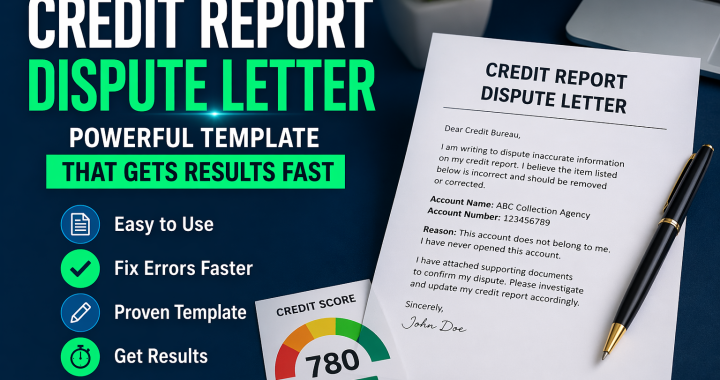 Credit Report Dispute Letter: Powerful Template That Gets Results Fast
 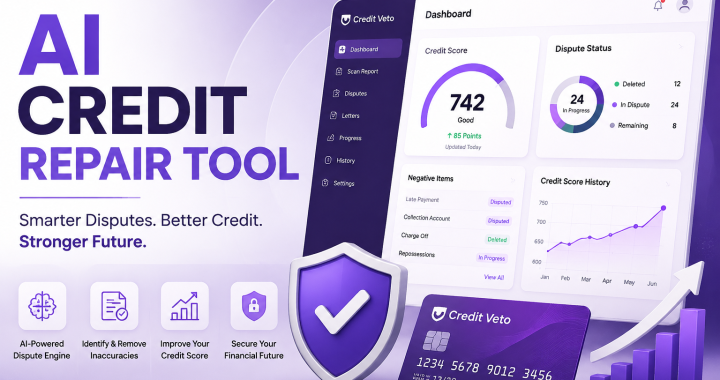 The Smartest AI Credit Repair Tool to Fix Your Credit Fast