Does Selling Your House Affect Your Credit Score? What Most Homeowners Miss

Quick Answer: No, selling your house does not directly affect your credit score. However, paying off a mortgage, closing accounts, or missing payments during the process can cause small changes to your credit report and score.
Selling a home is one of the biggest financial transactions many people make. Whether you are relocating, downsizing, or cashing out equity, it is normal to wonder how the process might affect your financial profile.
One of the most common questions homeowners ask is: Does selling your house affect your credit score?
The good news is that selling your home does not directly affect your credit score. However, some financial events connected to the sale (such as paying off a mortgage or missing payments before closing) can influence your credit report.
Understanding how these situations work will help you protect your credit during the selling process, as you’ll find out in this blog post.
What Is a Credit Score and How Is It Calculated?
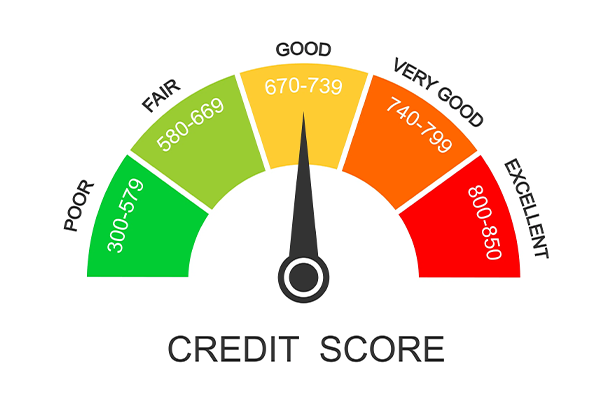
To fully understand whether selling your house affects your credit score, it helps to know how credit scores are calculated.
Credit scores are generated using information from your credit report, which is maintained by the three major credit bureaus:
• Experian
• Equifax
• TransUnion
Most lenders rely on scoring models such as FICO Score or VantageScore to evaluate creditworthiness.
These models analyze several key factors:
| Credit Factor | Importance |
| Payment history | Very high |
| Credit utilization | High |
| Length of credit history | Moderate |
| Credit mix | Moderate |
| New credit inquiries | Low |
Because selling a house does not directly change these factors, the act of selling itself typically does not impact your credit score.
Read Also: Minimum Credit Score for a USDA Home Loan (Don’t Miss These Requirements)!
When Selling Your House Can Affect Your Credit Score
Although the home sale itself does not change your score, some financial actions surrounding the sale may influence your credit profile.
Paying Off Your Mortgage
Most home sales involve paying off the remaining mortgage balance at closing.
Once the loan is paid off, the lender reports the account as paid in full, and the mortgage may eventually close on your credit report.
This can sometimes cause a small temporary credit score fluctuation because:
• your credit mix changes
• your average account age may adjust
For most homeowners, the impact is minimal.
Missing Mortgage Payments Before the Sale
One situation where credit damage can occur is when homeowners stop making mortgage payments while preparing to sell.
Late payments are reported to credit bureaus and can significantly lower your credit score.
Even one missed mortgage payment can reduce your score by 60 to 100 points or more, depending on your previous credit history.
Short Sales
If a home is sold for less than the outstanding mortgage balance, the lender may classify the transaction as a short sale.
Short sales can affect your credit because the lender reports that the debt was not fully repaid.
This can temporarily lower your credit score.
Closing Other Credit Accounts During a Move
During a move, some homeowners reorganize their finances and close credit cards or other accounts.
Closing accounts can affect your credit utilization ratio, which may cause your credit score to fluctuate.
See Also: How Long Do Late Payments Stay on Your Credit Report? 2026 Update
Does Paying Off a Mortgage Improve Your Credit Score?
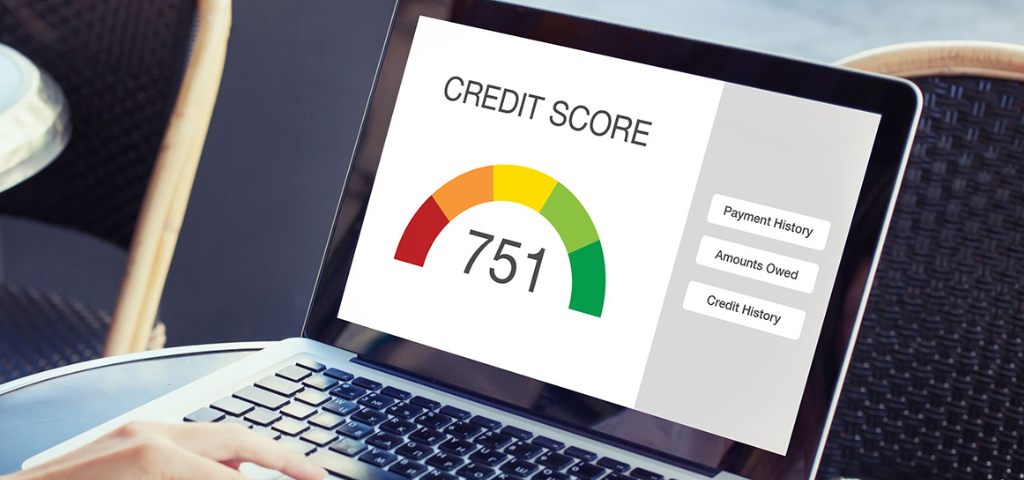
Many people assume that paying off a mortgage automatically increases their credit score.
The reality is more complex.
After paying off a mortgage:
• your total debt decreases
• your credit utilization may improve
• but your credit mix may change
Some people experience a slight increase in their credit score, while others see a small temporary drop before their score stabilizes.
Situations Where Selling a House Can Help Your Financial Profile
Even though selling your house does not directly affect your credit score, the financial outcome can strengthen your credit situation.
For example:
• paying off large mortgage debt reduces financial obligations
• selling a property may provide cash to pay other debts
• lower monthly obligations improve overall financial stability
These improvements can indirectly support long-term credit health.
How to Protect Your Credit Score When Selling a Home
If you plan to sell your house, taking a few careful steps can help keep your credit stable throughout the process. While the act of selling a property itself does not directly harm your credit profile, financial decisions made before and during the sale can influence how lenders view your credit report.
Understanding these small but important habits can help ensure that the home sale does not negatively affect your financial standing.
Keep Making Mortgage Payments
Continue making your mortgage payments on time until the property sale officially closes. Even if you are already under contract with a buyer, your lender still expects payments according to the original mortgage agreement.
Payment history carries the greatest weight in credit scoring models such as FICO Score and VantageScore. A missed or late mortgage payment reported to the credit bureaus can significantly lower your credit score and remain on your credit report for years.
For homeowners wondering if selling their house affects their credit score, the biggest risk usually comes from missed payments before closing. Staying current on your mortgage helps ensure that the transaction remains neutral for your credit and prevents avoidable score drops during the sale process.
Avoid Opening Too Many New Accounts
Major financial changes during a home sale can tempt some homeowners to apply for new credit cards, personal loans, or financing for moving expenses. While this may seem convenient, opening several new accounts within a short period can trigger multiple hard inquiries on your credit report.
Hard inquiries may cause small temporary score drops and can signal increased borrowing activity to lenders. For homeowners asking does selling your house affect your credit score, the risk usually comes from these additional credit applications rather than the home sale itself. Limiting new credit applications during the selling process helps keep your credit profile stable.
Monitor Your Credit Report
Regularly checking your credit report is one of the simplest ways to protect your credit during a home sale. Once the mortgage is paid off, the lender reports the update to the credit bureaus, and it should appear as paid in full or closed as agreed.
When reviewing your credit report, look for:
• reporting errors
• incorrect account updates
• suspicious activity or unfamiliar inquiries
Monitoring your report ensures the mortgage payoff is reported accurately and helps you quickly address any issues that could affect your credit.
Maintain Low Credit Card Balances
Keeping your credit card balances low can help maintain a stable credit score while selling your home. Credit scoring models closely track your credit utilization ratio, which measures how much of your available credit you are using.
A common guideline is to keep balances below 30 percent of your available credit limit. Lower utilization signals responsible credit management and supports a healthier credit profile. Even though the home sale itself does not directly change your score, maintaining low balances can prevent unnecessary credit score fluctuations during the process.
Does Selling a House Remove the Mortgage From Your Credit Report?
When you sell a home, the remaining mortgage balance is typically paid off during the closing process. After the payoff is completed, the lender reports the account to the credit bureaus as paid in full or closed as agreed.
Although the mortgage is no longer active, it does not immediately disappear from your credit report. Instead, the account usually remains listed as a positive record for several years. During that time, it continues to show your history of payments and how the loan was managed.
For homeowners asking does selling your house affect your credit score, this is actually a positive aspect of the process. A mortgage that is reported as paid in full can strengthen your credit history because it demonstrates that you successfully managed a large loan and fulfilled the repayment agreement.
Final Thoughts
So, does selling your house affect your credit score?
In most situations, the answer is no. Selling a home does not directly change your credit score. However, the financial actions surrounding the sale (such as paying off your mortgage, avoiding missed payments, or managing other debts) can influence how your credit report evolves.
The key to protecting your credit during a home sale is straightforward:
• continue making payments on time
• avoid unnecessary credit applications
• monitor your credit report for updates
Following these habits helps ensure the home sale does not create unexpected credit problems.
If you want to go a step further and understand exactly how your credit report looks before or after major financial decisions, this is where Credit Veto can help.
Credit Veto helps individuals and credit professionals:
• review and monitor credit reports
• identify negative or inaccurate items
• understand what may be affecting approvals
• build stronger credit strategies before applying for loans or funding
Whether you are selling a property, preparing for financing, or simply trying to improve your credit position, having a clear view of your credit report can make a major difference.
You can start by getting the free Credit Repair Starter Guide, which explains how credit reports work and how to improve them strategically.
Get your free credit repair starter guide. It’s a practical first step toward understanding and strengthening your credit.
Frequently Asked Questions
Does paying off a mortgage hurt your credit score?
Paying off a mortgage may cause a small temporary credit score change because the account closes, but it is usually not harmful long term.
Does selling a house remove the mortgage from your credit report?
Yes. After closing, the mortgage is reported as paid in full and eventually listed as a closed account on your credit report.
Can selling your house improve your credit?
It can indirectly help if the sale allows you to pay down other debts and improve your overall financial stability.
Does a short sale affect your credit score?
Yes. A short sale can negatively affect your credit report because the lender records that the debt was not fully repaid.
About The Author

 How to Remove Inaccurate Items from Your Credit Report Quickly
  Best Credit Repair Companies That Are Worth Trusting
  How to Dispute Credit Report Errors and Win in 2026
  Why Did My Credit Score Drop After Paying Off Debt? Proven Fixes
  How to Fix a Low Credit Score Fast: What Works in 2026
  How to Remove Closed Accounts from Credit Report Fast
  The Smartest AI Credit Repair Tool to Fix Your Credit Fast