Credit Repair vs. Credit Counseling: Which One is Right for You?
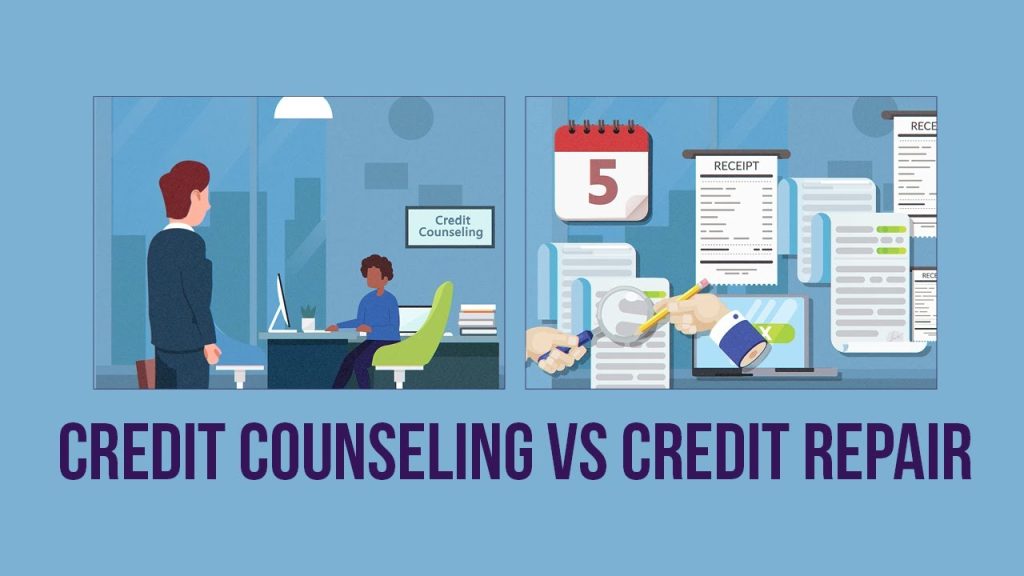
When it comes to improving your credit, you may come across two important services: credit repair and credit counseling. While both are designed to help improve your credit, they operate in very different ways. In this article, we’ll break down the key differences between credit repair vs. credit counseling, and help you understand which option is best suited for your financial needs.

If you’re looking to fix your credit, understanding whether credit repair or credit counseling is right for you can make all the difference. This article will explain both services in simple terms, show how they work, and help you decide which approach is best for your situation. Plus, we’ll show you how Credit Veto can be the solution to effectively improving your credit score, whether you need to fix mistakes or learn better financial habits.
Read Also: How Midland Credit Management Can Affect Your Credit Score
What is Credit Repair?
Credit repair refers to the process of reviewing your credit reports to identify any errors or inaccuracies and working to have those errors corrected. This process can include disputing outdated or incorrect information, such as incorrect accounts, late payments that were paid on time, or fraudulent activity that’s affecting your credit score.

Credit repair is usually done through the following steps:
- Reviewing Your Credit Report: The first step in credit repair is to obtain a copy of your credit report from all three major credit bureaus (Experian, Equifax, and TransUnion). You can get a free report from AnnualCreditReport.com once a year.
- Identifying Errors: Next, you’ll look for inaccuracies. This could include mistakes like old debts that should have been removed, or information that’s been wrongly reported. For example, maybe an account you paid off still shows as “active” with an outstanding balance.
- Disputing Inaccuracies: Once errors are identified, you can dispute them with the credit bureaus. Disputing can be done by contacting the credit bureau directly and providing evidence that supports your claim that the information is wrong.
- Following Up: After filing a dispute, the credit bureaus will investigate and either correct or confirm the information. You’ll need to keep an eye on your reports to ensure that changes are made as promised.
Who Should Consider Credit Repair?
Credit repair is an excellent option for individuals who have errors on their credit report that are impacting their credit score. If you’re dealing with mistakes on your credit report that you didn’t cause, credit repair might be a quick solution. Credit Veto provides a seamless, automated way to handle this by scanning your credit reports, identifying errors, and generating dispute letters for you.
What is Credit Counseling?

Credit counseling is a service designed to help individuals manage their overall financial health, particularly when it comes to debt management. Unlike credit repair, which focuses solely on fixing your credit report, credit counseling is about improving your financial habits.
Credit counselors are professionals who work with you to develop a plan that helps you pay off your debts, create a budget, and understand better ways to manage your money.
Here’s what credit counseling typically involves:
- Financial Assessment: A credit counselor will first review your financial situation. This includes looking at your income, monthly expenses, debts, and assets. The goal is to get a clear picture of your finances.
- Debt Management Plan (DMP): Based on the assessment, the counselor will help you create a debt management plan. This plan may involve consolidating your debts into one manageable monthly payment or negotiating lower interest rates with creditors.
- Ongoing Support and Education: Credit counseling services often come with educational materials and workshops to help you understand budgeting, saving, and investing.
- Negotiating with Creditors: In some cases, credit counselors can negotiate with your creditors to reduce your interest rates, waive fees, or even lower the total amount of debt you owe.
Who Should Consider Credit Counseling?
Credit counseling is ideal for individuals who are struggling with high levels of debt that they can’t pay off. If you have multiple credit cards, loans, or other debts and you’re finding it difficult to manage them, credit counseling may be the solution to get you back on track.
Key Differences Between Credit Repair and Credit Counseling
While both credit repair and credit counseling are aimed at improving your financial situation, they differ in their approach and goals. Let’s break down the key differences:
1. Focus
- Credit Repair focuses on fixing errors on your credit report that negatively affect your credit score.
- Credit Counseling focuses on improving overall financial habits and managing debt more effectively.
2. Process
- Credit Repair involves disputing errors and inaccuracies on your credit report with the credit bureaus.
- Credit Counseling involves developing a plan to help you manage your debt and improve your finances over time.
3. Timeframe
- Credit Repair can take several months depending on how many errors are on your credit report and how quickly the credit bureaus respond.
- Credit Counseling is an ongoing process. A Debt Management Plan (DMP) could take several years to complete, depending on the amount of debt you have.
4. Cost
- Credit Repair services generally charge a fee for identifying and disputing errors on your credit report. Some services, like Credit Veto, use AI to automate the process, saving you time and effort.
- Credit Counseling services may be free or charge a nominal fee, depending on the organization. Debt management plans may also have associated fees.
When Should You Choose Credit Repair vs. Credit Counseling?
So, how do you decide whether you need credit repair or credit counseling? Here are some key questions to ask yourself:
- Do I Have Errors on My Credit Report?
If your credit score is lower than you’d like, and you know there are errors on your credit report, credit repair might be the solution. If you need help identifying and disputing these errors, Credit Veto can help automate the process. - Am I Struggling with Debt?
If you’re overwhelmed by debt and don’t know how to manage it, credit counseling may be a better option. A credit counselor can help you create a manageable debt repayment plan and provide ongoing financial education. - Do I Need Ongoing Support or Just a Quick Fix?
If you’re looking for a quick way to fix your credit, credit repair is your best bet. However, if you’re in need of long-term financial guidance, credit counseling is the way to go.
How Credit Veto Can Help with Credit Repair
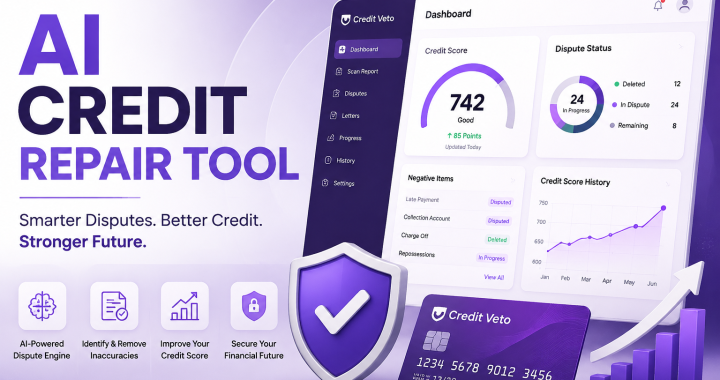
If you’re opting for credit repair, Credit Veto is a solution that simplifies the entire process. With its AI-powered platform, Credit Veto can help you:
- Review your credit reports from all three major bureaus.
- Automatically identify errors and inaccuracies in your credit report.
- Send dispute letters to the credit bureaus on your behalf.
- Track your credit score and see how your improvements are progressing.
By choosing Credit Veto, you get a streamlined, hassle-free way to clean up your credit report and improve your financial future.
See Also: How to Become a Certified Credit Repair Specialist
Choosing between credit repair and credit counseling depends on your financial situation. If you’re dealing with errors on your credit report, credit repair is the way to go. But if you’re struggling with debt and need help managing your finances, credit counseling might be the best option.
If you’re ready to take control of your credit and improve your score, Credit Veto can make the process easier with its AI-powered tools. Whether you’re fixing errors or simply looking for a better way to manage your credit, Credit Veto has got you covered.
FAQs
Is credit counseling the same as credit repair?
No, credit counseling and credit repair are not the same. Credit counseling helps you manage your overall debt and finances by offering budgeting advice, creating debt management plans, and providing ongoing support. It’s ideal for people struggling with multiple debts and needing long-term financial guidance.
On the other hand, credit repair focuses specifically on identifying and disputing errors on your credit report. This process is aimed at fixing inaccuracies, such as outdated accounts or wrongfully reported late payments, which may be negatively affecting your credit score.
Both services aim to improve your financial health, but they target different issues.
Why is it not advisable to use credit repair services?
While credit repair services can be helpful in correcting errors on your credit report, they can also be risky. Some credit repair companies make promises they can’t keep, such as removing accurate negative information from your report, which is illegal. Additionally, these services often charge high fees for tasks you can do yourself, like disputing errors with the credit bureaus.
If you’re not careful, you may end up wasting money or falling victim to fraud. It’s always a good idea to research and choose a reputable credit repair service, or better yet, consider handling disputes on your own using tools like Credit Veto, which offer AI-powered assistance for quicker and safer credit repair.
What’s another name for credit repair?
Another name for credit repair is credit restoration. Both terms refer to the process of improving your credit score by addressing and correcting inaccuracies on your credit report. This can include disputing errors, removing outdated information, and ensuring that your credit history accurately reflects your financial behavior.
What is the meaning of credit counseling?
Credit counseling is a service that helps individuals manage their debt and improve their overall financial situation. A certified credit counselor works with you to assess your financial situation, create a budget, and provide advice on how to manage or pay down your debt.
They may also help you set up a Debt Management Plan (DMP), where they negotiate with creditors to lower interest rates or combine your debts into a single monthly payment. The goal of credit counseling is to help you develop better financial habits and become debt-free over time.
About The Author

 How to Remove Inaccurate Items from Your Credit Report Quickly
  Best Credit Repair Companies That Are Worth Trusting
  How to Dispute Credit Report Errors and Win in 2026
  Why Did My Credit Score Drop After Paying Off Debt? Proven Fixes
  How to Fix a Low Credit Score Fast: What Works in 2026
  How to Remove Closed Accounts from Credit Report Fast
  The Smartest AI Credit Repair Tool to Fix Your Credit Fast