How to Check Personal Credit Report: 7 Easy Steps
Short Answer: One of fastest ways to check personal credit report details is to use AnnualCreditReport.com, the official site that lets you pull your reports from Equifax, Experian, and TransUnion for free (weekly). Start there, then review each section for errors, late payments, collections, and accounts you do not recognize.
Like you, most people only try to check their personal credit report after something goes wrong. A denied car loan due to bad credit score. A higher interest rate than expected. A landlord saying “no.” Or a credit card company offering a limit that feels insulting. That moment is frustrating because you do not know what the lender saw.
Here’s the good news: learning how to check personal credit report info is not hard, and it gives you control fast. Once you can see what is actually on your file, you can spot errors, understand what is lowering your approval odds, and fix what is fixable before you apply again.
This blog post walks you through the exact steps to check your personal credit report, what to look for, and what to do if you find mistakes.
What is a Personal Credit Report?
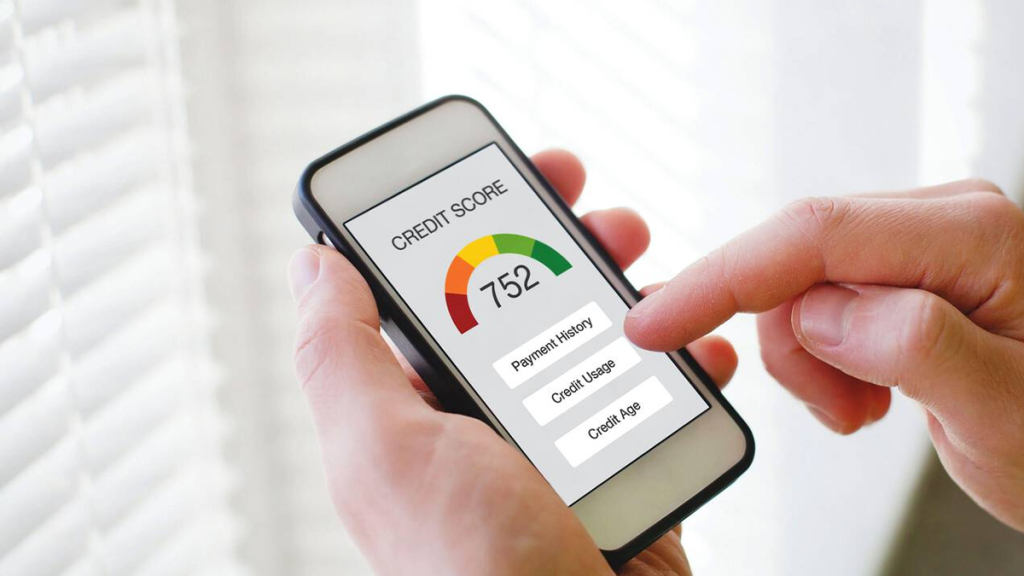
A personal credit report is a detailed record of your borrowing and repayment history. It shows your credit cards, loans, payment patterns, balances, account status, and whether any debt has been sent to collections. This is the exact document lenders review when deciding whether to approve or deny your application.
When you check a personal credit report, you are seeing the same information that banks, auto lenders, and credit card companies see. This includes when accounts were opened, your payment consistency, your total debt, and any negative marks, such as late payments or charge-offs. Even small errors in this report can affect your approval chances.
Lenders use your report to measure reliability and risk. Landlords may review it before approving a lease. Insurance companies may also use parts of it to assess risk levels.
It is also important to understand the difference between your report and your score. Your credit report is the full record. Your credit score is a number calculated from your record.
This is why knowing how to check personal or business credit report properly is one of the most important steps in protecting your financial future or that of your client.
Read Also: 5 Best Steps to Remove JPMCB Card Services From Your Credit Report
7 Easy Steps to Check Personal Credit Report
If you do not know how to check your personal credit report correctly, you can miss errors, fraud, or negative items that lower your approval chances. The good news is that the process is simple when you follow the right steps. Below is the safest and most accurate way to check your report and understand what lenders see.
Step 1: Use the official free site first
Start with the official government-authorized website, AnnualCreditReport.com. This is the only federally authorized site where you can check a personal credit report from all three major bureaus for free.
You can request your report from:
• Experian
• Equifax
• TransUnion
As of the latest updates, you can check your reports regularly, not just once per year. This makes it easier to monitor changes, catch errors early, and protect your credit.
Step 2: Choose which bureau report to check
When learning how to check personal credit report, it is important to understand that you actually have three separate reports, not just one. Each credit bureau collects information independently, which means the details, balances, or negative items may not appear the same on all reports.
When you log in, you will usually see options such as:
• Equifax credit report
• Experian credit report
• TransUnion credit report
If you are planning to apply for a car loan, mortgage, credit card, or apartment, it is best to check all three. This is because lenders may use only one bureau or compare multiple reports before making a decision.
Checking each report gives you a complete picture of your credit profile and helps you catch issues that could affect approval. This is a critical part of how to read and how to check personal credit report properly, especially if your goal is to improve your credit or prepare for major financing.
Step 3: Verify Your Personal Information First
Before checking accounts or balances, the first thing to review when you check personal credit report is your identity section. This part confirms that the report truly belongs to you.
Carefully check:
• Name spelling variations
• Current and previous addresses
• Phone numbers
• Employers
Why this matters: incorrect personal details can signal a mixed credit file or possible identity theft. Mixed files happen when someone else’s credit information is accidentally added to your report, often because of similar names or Social Security numbers.
Catching these errors early is one of the most important steps in how to check personal credit report correctly. Fixing identity errors helps ensure lenders see your true credit history and not someone else’s.
Step 4: Review Accounts Carefully (Open and Closed)
This is one of the most important parts of learning how to check personal credit report properly. Your accounts section shows how you have handled credit over time, and this information directly affects your approval chances.
Here, you will see accounts such as:
• Credit cards
• Auto loans
• Student loans
• Mortgages
• Personal loans
For each account, review the details closely:
• Current balance
• Payment status
• Monthly payment amount
• Whether any payment was marked late
• Whether the account status is correct such as open, closed, or paid
This matters because even one incorrectly reported late payment can lower your score and reduce approval odds. Many people who check personal credit report discover accounts they already paid still showing as unpaid, or accounts marked late by mistake.
If your goal is to understand how to check personal credit report the right way, this is where you will find most of the issues that affect your credit score and lending decisions.
See Also: How to Remove Harris and Harris From Your Credit Report Fast (Even If You Already Paid)
Step 5: Look Closely at Negative Items
When learning how to check personal credit report, this is the section that explains why approvals get denied or interest rates increase. Negative items show lenders where problems happened in the past.
Negative items may include:
• Late payments
• Charge offs
• Collections
• Repossessions
• Bankruptcy or court records when reported
Even one late payment can reduce approval odds, especially if it happened recently. Newer negative items usually have a stronger impact than older ones.
Quick check: review the details carefully and confirm:
• The account actually belongs to you
• The dates are correct
• The balance reported is accurate
• The status matches the true history
Many people who check their personal credit report find errors in this section. Some accounts may be outdated, reported twice, or belong to someone else with a similar name. Finding and correcting these issues can improve your credit profile and increase your chances of approval.
Step 6: Check Inquiries Carefully
This section shows who has accessed your credit file. When you check a personal credit report, reviewing inquiries helps you understand recent credit activity and spot possible fraud early.
You will usually see:
• Hard inquiries: caused by credit applications such as credit cards, auto loans, or personal loans. These can affect your credit score and usually stay on your report for up to two years.
• Soft inquiries: checks that do not affect your score. These include your own credit checks, employer reviews when permitted, and many pre-approval offers.
If you see a hard inquiry you do not recognize, treat it seriously. It may mean someone tried to apply for credit using your information.
Take action by:
• Confirming whether you applied for that credit
• Contacting the lender listed if you do not recognize it
• Monitoring your report closely for new accounts
Many people only focus on accounts, but inquiries are just as important when learning how to check a personal credit report properly. They can reveal early warning signs before real damage appears.
Step 7: Save Copies and Build a Regular Review Habit
Once you check your personal credit report, do not just close the page and forget it. Save a copy for your records. This allows you to compare future reports and quickly notice changes, improvements, or new problems.
Checking once is good. Checking consistently is what protects your credit long term.
A simple routine:
• Review your report before any major application, such as a car loan, apartment, mortgage, or business funding. This helps you fix issues before lenders see them.
• Review after a major life event such as identity theft, divorce, job loss, or paying off large debts. These moments often trigger important credit changes.
• Review at least a few times per year if you are rebuilding. Regular reviews help you track progress and catch errors early.
Building this habit is one of the smartest steps you can take when learning how to check a personal credit report properly. The people with the strongest credit profiles are usually the ones who monitor and manage their reports consistently, not just once.
What to Do If You Find Errors on a Personal Credit Report
If you notice something incorrect after you check your personal credit report, you have the right to dispute it. Once you submit a dispute, the credit bureau usually has 30 days to investigate, and in some cases up to 45 days.
Taking action quickly can prevent approval delays, higher interest rates, or funding denials.
Best practice when disputing:
• Dispute only what you can explain clearly. Vague disputes are more likely to be rejected.
• Attach proof when possible, such as receipts, letters, or account statements. Evidence makes your dispute stronger.
• Track dates and confirmations so you can follow up if needed.
If you are trying to qualify for a car, apartment, mortgage, or credit card, removing incorrect negative items can improve your approval chances and help you access better terms. Even small errors can cost you thousands over time.
For credit repair businesses and professionals
Knowing how to review and dispute errors properly allows you to deliver real results for your clients. This is where platforms like Credit Veto help by organizing client credit reports, tracking dispute timelines, and identifying which errors are worth challenging. This makes your process faster, more structured, and easier to scale.
Whether you are fixing your own credit or helping clients, accurate reports are the foundation of every approval decision.
How Credit Veto helps after you check your report
Once you learn how to check personal credit report details, the next step is knowing what to fix first.
Credit Veto helps you:
- Track report changes over time
- Organize disputes and supporting documents
- Spot patterns that reduce approval odds (high utilization, repeated late payments, collections)
If you are a credit repair professional, it also helps you standardize how you review client reports so your team does not miss the same issues, and also connect them to funding options through our platform.
Final Thoughts
Knowing how to check personal credit report information is one of the fastest ways to protect your finances.
Pull your reports, review them line by line, and fix what is inaccurate before you apply for anything new. When you do that consistently, approvals get easier and borrowing gets cheaper. Get started with Credit Veto to check and monitor your personal or business credit report more accurately.
Frequently Asked Questions (FAQs)
How do I check my personal credit report for free?
Use AnnualCreditReport.com to request your credit reports from Equifax, Experian, and TransUnion for free. Review all three because details can differ by bureau
How often should I check my personal credit report?
Check before major applications like a car loan or mortgage, after major life events, and a few times per year if you are rebuilding credit or monitoring for fraud
What should I look for when I check my personal credit report?
Verify personal details, review all accounts and payment history, check for collections or charge-offs, and review inquiries for any you do not recognize.
How long does a credit report dispute take?
A credit reporting company generally has 30 days to investigate a dispute, though in some cases they have 45 days.
About The Author

 How to Remove Inaccurate Items from Your Credit Report Quickly
  How to Dispute Credit Report Errors and Win in 2026
  Why Did My Credit Score Drop After Paying Off Debt? Proven Fixes
  How to Fix a Low Credit Score Fast: What Works in 2026
  How to Remove Closed Accounts from Credit Report Fast
 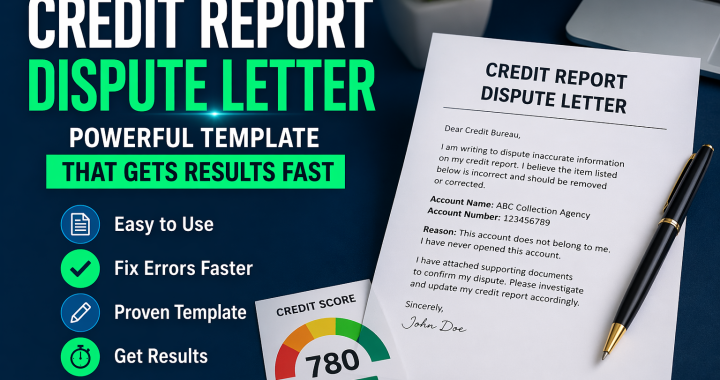 Credit Report Dispute Letter: Powerful Template That Gets Results Fast
 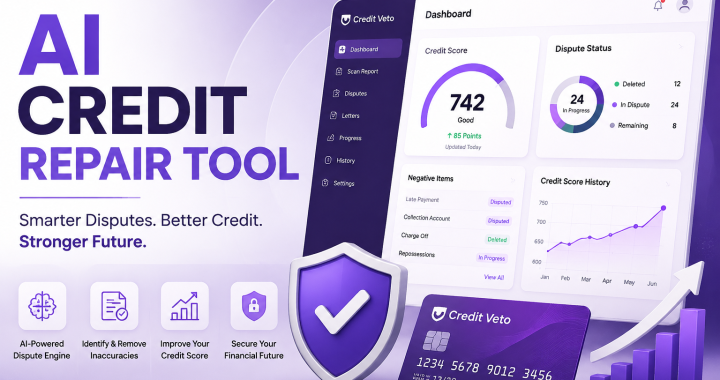 The Smartest AI Credit Repair Tool to Fix Your Credit Fast
  Best Credit Repair Companies That Are Worth Trusting