How Many Credit Cards Should I Have? Avoid These 4 Mistakes

Short Answer: Most people should have 2 to 4 credit cards. This is enough to build a strong credit profile, keep credit utilization low, and improve approval odds without increasing risk. Having too few cards can limit your score, while too many can hurt if not managed well.
Thousands of Americans usually ask the same question at some point. “How many credit cards should I have?” If you’re part of them, you’ve probably heard conflicting advice.
Some people say having one credit card is enough. Others say having many credit cards boosts your score faster. Then you see someone with an 750 credit score who has seven cards and wonder if you are doing it wrong.
Some people avoid credit cards completely because they fear debt. Others open too many too quickly, hoping to raise their score faster.
Both approaches can slow your progress. Too few credit cards can limit your credit profile strength. Too many can create risk and reduce lender confidence if not managed properly.
This is important because your credit profile determines whether you get approved or denied.
It affects:
• Car loans
• Mortgages
• Business funding
• Credit limits
• Interest rates
Understanding how many credit cards you should have helps you build credit strategically instead of guessing. When structured correctly, credit cards become one of the fastest tools to increase approval strength.
In this guide, you will learn the exact number of credit cards you should have based on real credit scoring behavior, lender expectations, and approval patterns.
Why the Number of Credit Cards Matters

When people ask questions like “ how many credit cards should I have”, they often focus only on the number. What lenders actually look at is the story your accounts tell over time. Each credit card adds data that helps them judge how you manage money.
Having more than one well-managed card can improve your credit utilization ratio, which is the percentage of your available credit you are using. For example, owing $1,000 on one card with a $1,500 limit looks riskier than owing $1,000 across three cards with a total $6,000 limit. The lower the percentage, the safer you appear to lenders.
Multiple cards also help build payment history depth. Every on-time payment strengthens your record. According to the Consumer Financial Protection Bureau, credit scoring models evaluate multiple accounts and payment behavior to determine risk.
Your accounts also contribute to credit profile thickness, which means how much information lenders have about you. A thin profile with only one account gives limited proof. A thicker profile with several accounts, paid on time, shows stability and experience handling credit.
A stronger profile often leads to real advantages:
• Higher credit limits because lenders trust your history
• Lower interest rates because you appear less risky
• Faster approvals for cars, apartments, and loans
This is why the number of credit cards matters. It is not about having many cards for the sake of it. It is about having the right number that you can manage responsibly, which strengthens your profile and improves approval odds over time.
Read Also: How Fast Will a Car Loan Raise My Credit Score?
How Many Credit Cards Should I Have Based on My Level

There is no single number that works for everyone. The answer to how many credit cards should I have depends on how mature your credit profile is and how well you manage your accounts. The goal is not to collect cards. The goal is to build a strong, stable profile that lenders trust.
Here is how it typically works at each stage.
Beginners: 1 to 2 credit cards
If you are new to credit, starting with one or two cards is the safest approach. At this stage, your focus is not speed. It is consistency.
Focus on:
• Making on-time payments every month
• Keeping balances low, ideally under 30 percent of the limit
• Building your first 6 to 12 months of positive history
This stage creates your foundation. Lenders begin to see you as someone who can handle credit responsibly. Even one well-managed card can start improving your approval odds over time.
Growing Credit: 3 to 5 credit cards
This range is ideal for most people. It gives you enough accounts to strengthen your profile without becoming difficult to manage.
It allows you to:
• Lower utilization naturally by spreading balances
• Strengthen your profile depth
• Reduce risk signals from relying on only one account
This is where most score growth happens. Many people who move into this range begin to see easier approvals, higher limits, and better offers. For most people asking how many credit cards they should have, this level provides the best balance between growth and stability.
Advanced Profiles: 5 to 8 credit cards
This level is common among experienced borrowers with strong credit habits. At this stage, the number of cards helps support a very strong profile.
It allows:
• Better control over utilization percentages
• Higher total available credit
• Stronger approval strength for major loans
However, this level requires discipline. Every account must be managed carefully. Missed payments or high balances across several cards can hurt your profile instead of helping it.
The key at every level is simple. The right number of credit cards is the number you can manage responsibly. When used correctly, each card strengthens your profile and improves your long-term approval power.
What Happens If You Have Too Few Credit Cards

Having only one credit card can slow your credit growth, even if you use that card responsibly. When lenders review your profile, they are not just looking for good behavior. They are also looking for enough data to feel confident about approving you.
This is one of the hidden reasons people ask how many credit cards should I have. Too few accounts can make your profile look thin and less predictable.
Common limitations include:
• Thin profile risk
• Lower approval confidence
• Higher utilization percentage
• Slower credit score growth
• Lower total available credit
A thin profile simply means there is not enough account history to fully evaluate your borrowing habits. This can make lenders more cautious.
Here is a simple example:
One card with a $1000 limit and a $300 balance equals 30 percent utilization.
Three cards with a $3000 total limit and the same $300 balance equals 10 percent utilization.
Even though the debt amount is the same, the second profile looks much stronger. Lower utilization signals better credit control, which improves approval odds and score strength.
This is why having multiple credit cards, when managed properly, helps strengthen your credit
What Happens If You Have Too Many Credit Cards
Having multiple credit cards can be helpful, but opening too many in a short period can weaken your profile instead of strengthening it. Lenders pay attention to how fast you open accounts, not just how many you have.
This is an important part of understanding how many credit cards you should have. The goal is to build strength over time, not create sudden spikes in activity.
Risks include:
• Too many hard inquiries
• Lower average account age
• Higher management risk
• Increased chance of missed payments
• Reduced lender confidence
Every time you apply, a hard inquiry appears on your credit report. Too many inquiries close together can signal risk. Opening many new accounts also lowers your average account age. Credit scoring models reward longer histories, so newer accounts can temporarily slow score growth.
There is also a practical risk. The more cards you have, the easier it is to forget a payment or lose track of balances. Even one missed payment can cause serious damage. Lenders may view rapid account openings as aggressive credit seeking.
This can reduce approval confidence. The key is balance. Not excess. Strong profiles are built gradually, with accounts added strategically and managed responsibly over time.
See Also: Vantage Score vs FICO: 7 Critical Truths Credit Pros Miss
What Lenders Actually Look At

Many people focus only on the credit score number. But lenders look far beyond the score when deciding approvals.
They study your full credit report to understand your behavior over time. This is why how many credit cards you should have is not just about the number of accounts, but how well those accounts are managed.
Lenders evaluate:
• Payment history
This is the most important factor. Consistent on-time payments build trust. Late payments raise concern immediately.
• Credit utilization
This shows how much of your available credit you are using. Lower utilization signals control and stability.
• Account age
Older accounts show experience managing credit. A longer history increases approval confidence.
• Account stability
Lenders look at how long accounts stay open and how frequently new ones are added. Stable profiles appear less risky.
• Negative items
Collections, charge-offs, and missed payments can reduce approval odds even if the score looks acceptable.
This means the answer to how many credit cards you should have depends on building a stable, well-managed profile.
Management quality matters more than quantity. A smaller number of well-managed cards is stronger than many poorly managed ones.
Lenders evaluate the full profile, not just the score, as explained by the Federal Reserve.
How Credit Cards Help Increase Your Score
Credit cards are one of the most powerful tools for building and strengthening your credit profile. They directly affect several major scoring factors that lenders use to evaluate you.
This is why understanding how many credit cards you should have can make a real difference in how fast your score grows and how strong your profile becomes.
Payment history
This is the largest scoring factor. Every on-time payment adds positive history to your report. Over time, this builds trust and shows lenders you can manage credit responsibly. Even one missed payment can slow progress, so consistency is critical.
Credit utilization
This measures how much of your available credit you are using. Lower utilization signals lower risk. Having multiple credit cards increases your total available credit, which makes it easier to keep utilization low even if you use your cards regularly.
Credit age
The longer your accounts stay open, the stronger your profile becomes. Older credit cards add stability and improve approval confidence. This is one reason keeping older cards open helps your score.
Credit mix
Scoring models favor profiles that show experience with different types of credit. Credit cards play a key role in this mix and help balance installment accounts like auto loans or personal loans.
Together, these factors explain why the right number of well-managed credit cards can strengthen your score, improve approval odds, and create better financial opportunities.
How Many Credit Cards Should I Have to Reach 700 or Higher
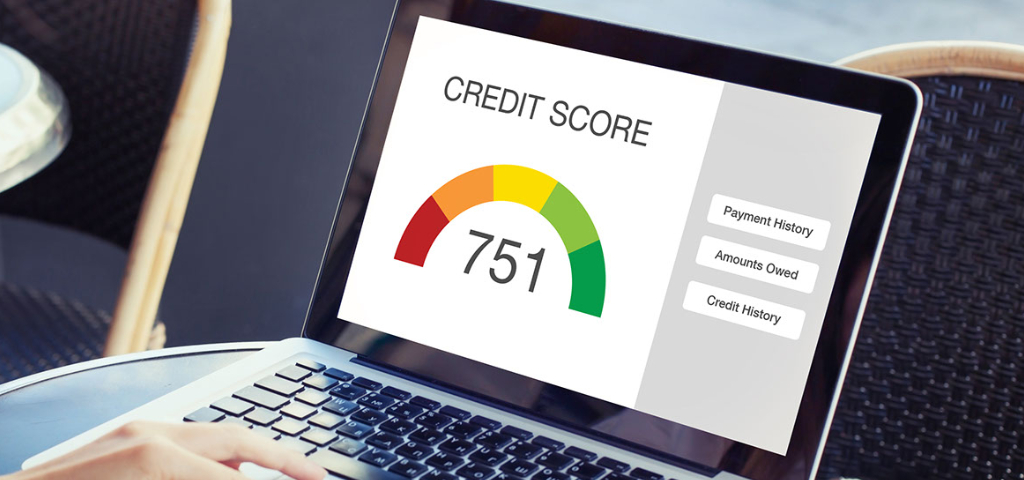
Most people who reach a credit score of 700 or higher usually have at least 3 active credit cards on their profile. This number creates enough activity and depth for scoring models to evaluate you with more confidence.
Having multiple cards allows:
• Balanced utilization across accounts
• Consistent payment history reported every month
• Stronger profile depth and stability
It also reduces the risk of one card carrying too much balance, which can hurt your score.
However, management is the deciding factor. Three well-managed cards with low balances and perfect payment history are far stronger than six poorly managed cards with late payments or high utilization. Consistency and control matter more than quantity.
Signs You May Need Another Credit Card
You may benefit from adding another card if your current profile is limiting your score growth or approval strength. When used correctly, adding a new account can improve balance distribution and make your profile look more stable to lenders.
You may need another card if:
• Your utilization is high
If one card carries most of your balance, your score can drop. Adding another card increases your total limit and helps lower your overall utilization.
• You have only one account
A single card creates a thin profile. Lenders have less data to evaluate you, which can reduce approval confidence.
• Your profile is thin or new
More accounts, managed well over time, help build depth and make your credit history stronger.
• You are preparing for funding
Before applying for a car loan, mortgage, or business funding, strengthening your profile can improve approval odds and loan terms.
Adding a card should be done strategically, not impulsively. The goal is to strengthen your profile, not create unnecessary risk.
Signs You Should Not Open Another Credit Card
Opening a new account can help in the right situation, but it can also hurt your profile if the timing is wrong. If you are asking how many credit cards you should have, it is just as important to know when not to add more.
Avoid opening another card if:
• You miss payments
Adding more accounts will not fix payment problems. Late payments hurt your score more than having fewer cards.
• You plan to apply for a loan soon
New credit creates hard inquiries and lowers your average account age. This can reduce approval odds temporarily.
• You cannot manage balances responsibly
More cards mean more responsibility. High balances across multiple cards can lower your score and increase risk.
• Your current cards are already high utilization
Focus on paying balances down first. Improving what you already have is often more powerful than adding new accounts.
Timing matters. Opening the right card at the wrong time can slow your progress instead of helping it.
How to Manage Multiple Credit Cards Safely
Having multiple cards can help your profile, but only if they are managed correctly. Many people keep asking, “how many credit cards should I have?”, but the real benefit comes from how well you handle them over time.
Follow these principles:
• Always pay on time
Payment history is the most important scoring factor. Even one missed payment can undo months of progress.
• Keep balances low
Try to use less than 30 percent of your total limit, and under 10 percent if possible. Lower balances show strong control.
• Avoid maxing cards
Maxed cards signal a higher risk to lenders and can quickly reduce your score.
• Avoid unnecessary applications
Each new application creates a hard inquiry and can reduce your average account age. Open new cards only when they serve a clear purpose.
• Monitor your accounts regularly
Check balances, due dates, and reports. This helps you catch problems early and stay in control.
Consistency builds trust. Over time, well-managed accounts create a stronger profile, higher limits, and better approval opportunities.
Common Mistakes People Make with Credit Cards and How to Avoid Them
Many people focus on how many credit cards I should have, but the real damage often comes from simple mistakes. These mistakes can slow score growth or even lower your approval chances.
- Opening too many cards quickly
Applying for several cards in a short time creates multiple hard inquiries and reduces your average account age.
How to avoid it: Space new applications out and open cards only when they serve a clear purpose.
- Closing old cards unnecessarily
Older cards strengthen your credit age and increase your total available credit. Closing them can reduce your score.
How to avoid it: Keep older cards open, especially if they have no annual fee.
- Carrying high balances
High balances increase your credit utilization and signal higher risk to lenders.
How to avoid it: Keep balances low and pay down cards before the statement closing date.
- Missing payments
Late payments can stay on your report for years and significantly weaken your profile.
How to avoid it: Set reminders or automatic payments to protect your payment history.
Avoiding these mistakes helps you build a stronger credit profile and get better results from the credit cards you already have.
How Credit Veto Helps Strengthen Credit Profiles
Many people do not know whether their credit card structure is helping or hurting them.
This is where credit veto helps.
Credit veto allows you to:
Monitor your full credit profile
Identify weaknesses
Track utilization
Understand approval readiness
Dispute incorrect negative items
This helps you build credit strategically.
Not blindly.
Both individuals and credit professionals use credit veto to improve approval outcomes.
Final Truth: Focus on Credit Quality, Not Just Quantity
If you are wondering how many credit cards should I have, the answer is simple. Most people should have 2 to 4 credit cards.
But the real key is maintaining a clean and strong credit profile. If your credit profile is optimized, business funding approval becomes easier, interest rates improve and your financial opportunities increase
Credit Veto helps individuals and credit professionals understand credit profiles clearly and prepare for funding better approvals.
You can get started here by grabbing your free credit repair starter guide
FAQs (Frequently Asked Questions)
Is 3 credit cards enough?
Yes. Three credit cards are ideal for most people and support strong credit growth.
Is 10 credit cards too many?
It depends on management. If balances are low and payments are on time, it may not hurt your score.
Is it better to have multiple credit cards or one?
Multiple credit cards are better when managed properly because they help lower utilization and strengthen your credit profile.
Is 7 credit cards too many?
No, 7 cards is not too many if you manage them responsibly and keep balances low.
Does having more credit cards increase your credit score?
Yes. More cards can increase your score by improving utilization and credit profile strength.
What is the ideal number of credit cards?
The ideal number is 2 to 4 credit cards for most people.
About The Author

 Best Credit Repair Companies That Are Worth Trusting
  Why Did My Credit Score Drop After Paying Off Debt? Proven Fixes
  Does Selling Your House Affect Your Credit Score? What Most Homeowners Miss
  Is It Normal for Credit Score to Fluctuate? What’s Causing It
  What Will My Credit Score Be After Bankruptcy? The Shocking Truth
  Does Paying Your Credit Card Early Help Your Credit Score? Top 3 Benefits
  How to Remove Inaccurate Items from Your Credit Report Quickly
  The Smartest AI Credit Repair Tool to Fix Your Credit Fast
  How to Dispute Credit Report Errors and Win in 2026