What Will My Credit Score Be After Bankruptcy? The Shocking Truth

Quick Answer: After bankruptcy, most people see their credit score fall into the 450 to 580 range, depending on their credit history before filing. In many cases, bankruptcy can lower a credit score by 100 to 200 points or more, especially if the borrower previously had good credit. However, the score can begin improving within 12 to 18 months if new credit accounts are managed responsibly and payments are made on time.
Bankruptcy is often the last option when debt becomes overwhelming. One of the first questions people ask before filing is simple: What will my credit score be after bankruptcy?
The honest answer is that most people see their credit score drop between 100 and 200 points, depending on their starting score and credit history.
For example:
• A credit score around 680 may drop to roughly 480–580
• A credit score near 780 may fall by more than 200 points
• A score already below 600 may drop less dramatically
The reason is that bankruptcy signals to lenders and credit bureaus that debts cannot be repaid as originally agreed.
However, the story does not end there. Many people begin rebuilding their credit sooner than they expect.
This guide explains troubling questions you may have, like “what will my credit score be after bankruptcy?”, why the drop happens, and how long recovery typically takes.
What Is Bankruptcy?
Bankruptcy is a legal process designed to help individuals or businesses who can no longer repay their debts. When someone files for bankruptcy, a court reviews their financial situation and may allow certain debts to be discharged or reorganized so the person can regain financial stability.
In the United States, the most common types are Chapter 7 bankruptcy, which eliminates many unsecured debts, and Chapter 13 bankruptcy, which creates a structured repayment plan over several years. While bankruptcy can provide relief from overwhelming debt, it is reported to the major credit bureaus and can significantly affect your credit report and credit score for several years.
What Will My Credit Score Be After Bankruptcy?
Most people who file bankruptcy see their credit score fall into the poor credit range (300–579) shortly after the filing appears on their credit report.
Typical outcomes look like this.
| Credit Score Before Bankruptcy | Possible Score After Bankruptcy |
| 750–800 | 520–600 |
| 680–720 | 480–580 |
| 600–650 | 450–520 |
| Below 580 | Smaller drop or minimal change |
Because payment history is the largest factor in most credit scoring models, bankruptcy has a significant effect on the final score lenders see.
Credit reporting agencies such as Equifax, Experian, and TransUnion include bankruptcy records in your credit report once the court filing is confirmed.
Why Bankruptcy Lowers Your Credit Score
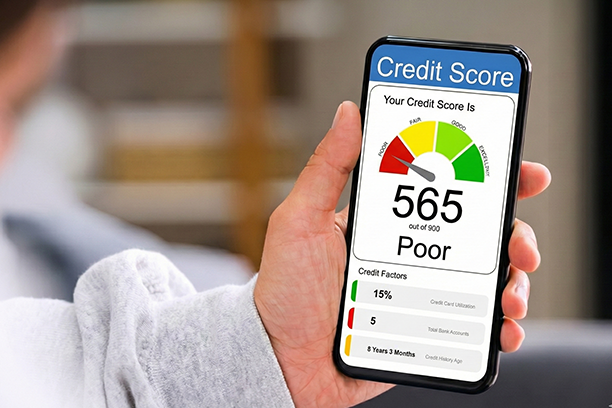
Understanding what my credit score will be after bankruptcy requires understanding how credit scoring models work.
Bankruptcy affects several core factors.
Payment History Impact
Payment history carries the most weight in credit scoring models. When debts are discharged through bankruptcy, lenders interpret the event as a major sign that previous credit obligations were not fulfilled.
Because of this, scores can drop 130 to 240 points in some cases, particularly if the borrower previously had strong credit.
Bankruptcy Becomes a Public Record
Bankruptcy filings become public records listed on your credit report.
When lenders review a credit report, they can see that a legal discharge of debt occurred through the bankruptcy court.
This increases perceived lending risk.
Account Closures and Profile Changes
Most accounts included in bankruptcy are closed.
This can affect multiple credit factors:
• average account age
• overall credit mix
These elements contribute to the final credit score calculation.
Does Everyone’s Credit Score Drop the Same Amount?
No. The drop varies based on the borrower’s financial history.
People with higher credit scores usually experience the largest decreases.
For example:
• Someone with excellent credit (around 780) may lose 200 or more points
• Someone with existing collections or missed payments may see a smaller drop because the score was already affected
This explains why the answer to “what will my credit score be after bankruptcy” is different for every borrower.
What Will My Credit Score Be One Year After Bankruptcy?
Recovery often begins sooner than many people expect. Borrowers who begin rebuilding credit responsibly may see improvements within 12 to 18 months.
A common recovery timeline looks like this.
| Time After Bankruptcy | Possible Credit Score Range |
| Immediately after filing | 450–580 |
| 6–12 months | 520–620 |
| 1–2 years | 580–650 |
| 3–5 years | 650+ possible |
These ranges depend heavily on how the borrower manages new credit accounts after bankruptcy.
How Long Bankruptcy Stays on Your Credit Report
Another factor influencing what your credit score will be after bankruptcy is how long the bankruptcy record remains on your credit report.
The timeline depends on the type of bankruptcy filed.
Chapter 7 bankruptcy
• remains on your credit report for 10 years
Chapter 13 bankruptcy
• remains on your credit report for 7 years
During this period, lenders may see the bankruptcy when reviewing credit applications, especially for major financing such as mortgages, auto loans, or business credit. Because bankruptcy is considered a serious credit event, it can influence lending decisions in the early years after filing.
However, the impact does not remain equally strong the entire time. As new positive activity begins to appear on your credit report, the influence of the bankruptcy gradually weakens.
Consistent on-time payments, low credit utilization, and responsible use of new credit accounts can help rebuild trust with lenders and improve what your credit score will be after bankruptcy over time.
Can Your Credit Score Increase After Bankruptcy?
Yes.
Many people assume bankruptcy permanently ruins credit, but this is not always the case.
Once debts are discharged:
• outstanding balances drop
• credit utilization improves
• borrowers can begin building new payment history. Some borrowers begin seeing credit score improvements within months once new accounts report positive activity.
This is why answering “what will my credit score be after bankruptcy” requires considering both the initial drop and the long-term recovery process.
How to Rebuild Your Credit Score After Bankruptcy
Recovery requires consistent credit behavior.
Start With a Secured Credit Card
Secured credit cards allow borrowers to rebuild payment history without taking on large amounts of debt.
Make Every Payment On Time
Payment history remains the most important factor in credit scoring.
Consistent on-time payments gradually rebuild trust with lenders.
Maintain Low Credit Utilization
Keeping balances below 30 percent of available credit helps improve score strength.
Lower utilization signals responsible credit management.
Monitor Your Credit Report Regularly
After bankruptcy, it is important to check your credit report for issues such as:
• incorrect reporting after discharge
• duplicate accounts
• inaccurate balances
Correcting reporting errors can accelerate credit recovery.
When Can You Qualify for Credit Again?
Credit approval timelines vary depending on lenders and financial products.
Typical examples include:
| Credit Product | Possible Approval Timeline |
| Secured credit card | Immediately after discharge |
| Auto loan | 1–2 years |
| Mortgage | 2–4 years |
While interest rates may initially be higher, responsible credit use can improve borrowing terms over time.
When Bankruptcy May Be the Right Option
Bankruptcy is not always a financial failure. In certain situations, it can provide a structured reset for individuals who are overwhelmed by debt and no longer able to keep up with repayment obligations. When debts grow faster than income and financial pressure continues to increase, bankruptcy may offer a legal pathway to regain control and begin rebuilding credit over time.
It may be considered when:
• Debt payments exceed available income, making it impossible to keep up with minimum payments
• Collection calls or lawsuits are increasing, signaling that creditors are escalating recovery efforts
• Repayment is no longer realistic, even with budgeting or debt settlement attempts
For some individuals, filing for bankruptcy stops the cycle of growing interest, penalties, and legal pressure. While it can temporarily affect credit history, it may also create an opportunity to eliminate unmanageable debts and begin rebuilding toward a healthier financial future.
Final Thoughts
So what will my credit score be after bankruptcy?
Most people see their score drop into the 450–580 range initially, often losing 100 to 200 points depending on their starting credit profile. However, bankruptcy does not permanently damage your financial future.
With responsible credit behavior, many borrowers begin rebuilding their credit score within the first year, and significant improvements are possible within several years.
Understanding how bankruptcy affects credit helps borrowers focus on rebuilding rather than fearing the process. Sign up for Credit Veto today and start rebuilding your credit the best way possible!
Frequently Asked Questions
What credit score do you start with after bankruptcy?
Most people begin with a credit score between 450 and 580, depending on their previous credit history.
How many points does bankruptcy drop your credit score?
Bankruptcy commonly lowers credit scores by 100 to 200 points or more.
Can your credit score reach 700 after bankruptcy?
Yes. Many borrowers rebuild to 700 or higher within several years if they maintain strong payment habits.
How fast can you rebuild credit after bankruptcy?
Credit improvement can begin within 12 to 18 months when positive credit activity is added.
About The Author

 How to Remove Inaccurate Items from Your Credit Report Quickly
  Best Credit Repair Companies That Are Worth Trusting
  How to Dispute Credit Report Errors and Win in 2026
  Why Did My Credit Score Drop After Paying Off Debt? Proven Fixes
  How to Fix a Low Credit Score Fast: What Works in 2026
  How to Remove Closed Accounts from Credit Report Fast
  The Smartest AI Credit Repair Tool to Fix Your Credit Fast